Central Vacuum Hoses: The Physics Behind Airflow, Resistance, and Bends
Central vacuum systems are often praised for their strong suction and quiet operation, but the real work happens along the pathway that connects the user to the power unit—the hose. Central vacuum hoses are not just flexible accessories; they are engineered components that directly influence airflow, cleaning efficiency, and system longevity. By understanding the physics behind airflow, resistance, and bends, homeowners and professionals alike can make smarter decisions when choosing, upgrading, or planning a central vacuum hose replacement.
The Science of Airflow Inside Central Vacuum Hoses
Airflow in a central vacuum system is driven by pressure differential. When the power unit creates negative pressure, air rushes from the cleaning head, through the hose, and into the system. The hose must carry this airflow efficiently while also transporting dirt, dust, and debris.
Inside high-quality central vacuum hoses, the inner wall is designed to be as smooth as possible. Smooth surfaces reduce friction between the moving air and the hose interior, allowing airflow to remain fast and consistent. Even small imperfections—such as cracks, rough seams, or internal wear—can disrupt airflow and reduce suction at the cleaning tool.
The internal diameter of the hose also plays a critical role. A well-sized hose maintains an ideal balance between air velocity and air volume. If airflow slows down too much, heavier debris may not travel effectively. If airflow becomes too fast in a restricted space, resistance increases, forcing the motor to work harder.
This is why many cleaning issues blamed on motors are actually caused by aging or poorly designed hoses. Upgrading to one of the best central vacuum hoses can restore airflow efficiency almost instantly.
Understanding Air Resistance and Friction Loss
Air resistance is the natural force that opposes airflow as it moves through the hose. In central vacuum hoses, resistance builds from several factors working together:
-
Hose length: Longer hoses offer better reach but naturally increase friction loss. This is why premium hoses use lightweight materials and an optimized internal design.
-
Internal surface quality: Low-grade hoses may develop rough interiors over time, increasing drag on airflow.
-
Debris accumulation: Fine dust, pet hair, and static-charged particles can cling to the hose walls, slowly narrowing the effective airflow path.
As resistance increases, suction at the cleaning head drops. This loss is often gradual, making it hard to detect until performance noticeably declines. In many cases, a central vacuum hose replacement solves the problem without the need for costly system repairs.
Bends, Curves, and Their Impact on Airflow
Every time a hose bends, airflow is forced to change direction. This creates turbulence—small air disturbances that increase resistance and reduce efficiency. Gentle curves allow air to flow smoothly, while sharp bends cause airflow disruption and pressure loss.
Modern central vacuum hoses are designed with reinforced spiral structures that maintain their shape even when bent. This prevents collapse or kinking, which can severely restrict airflow. Cheaper hoses may flatten under pressure, creating bottlenecks that reduce suction and strain the motor.
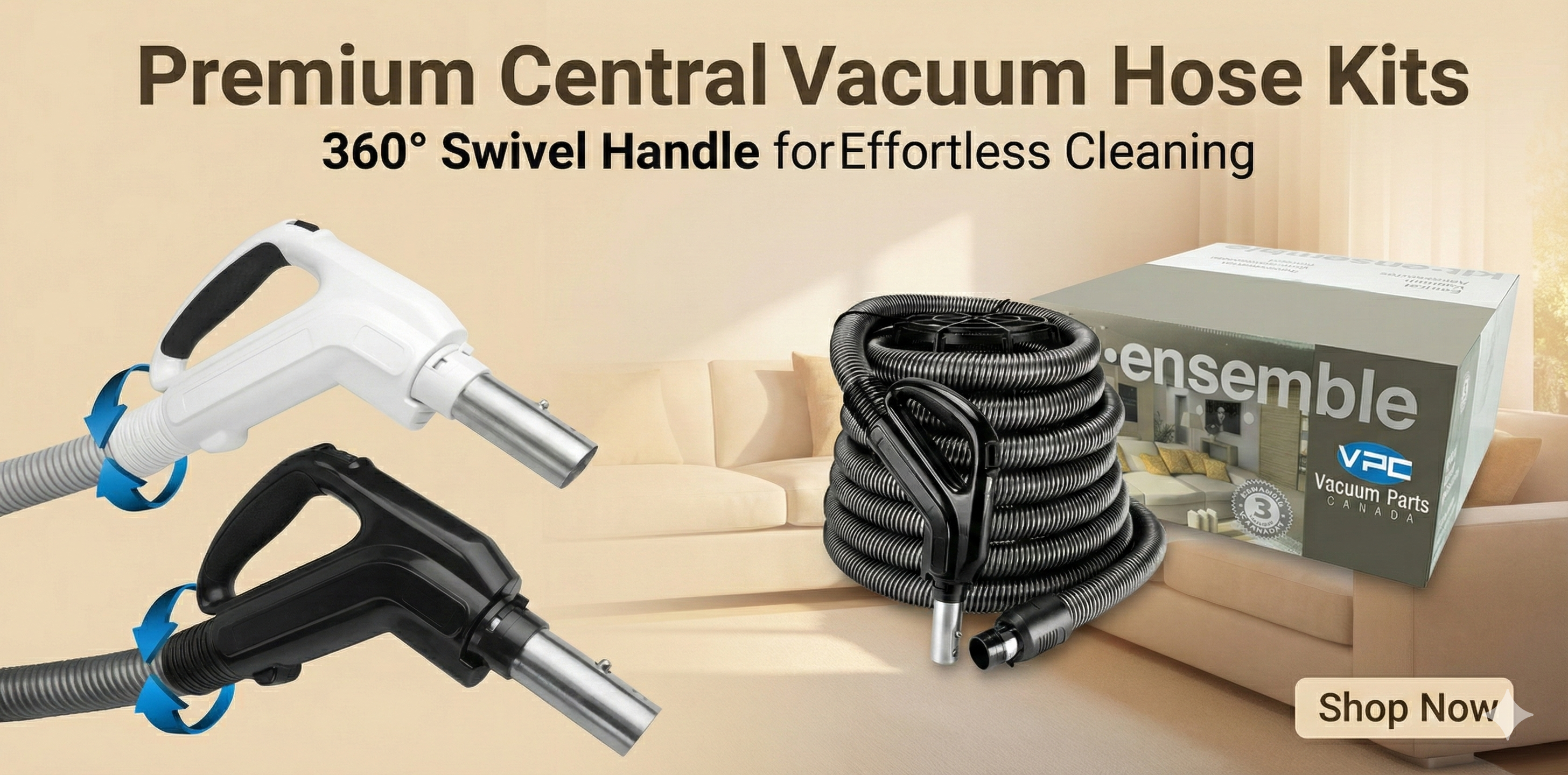
Swivel handles and rotating cuffs are not just comfort features—they reduce torsion and unnecessary twisting. By allowing the hose to move freely, these designs help maintain smoother airflow paths and reduce wear on both the hose and the user.
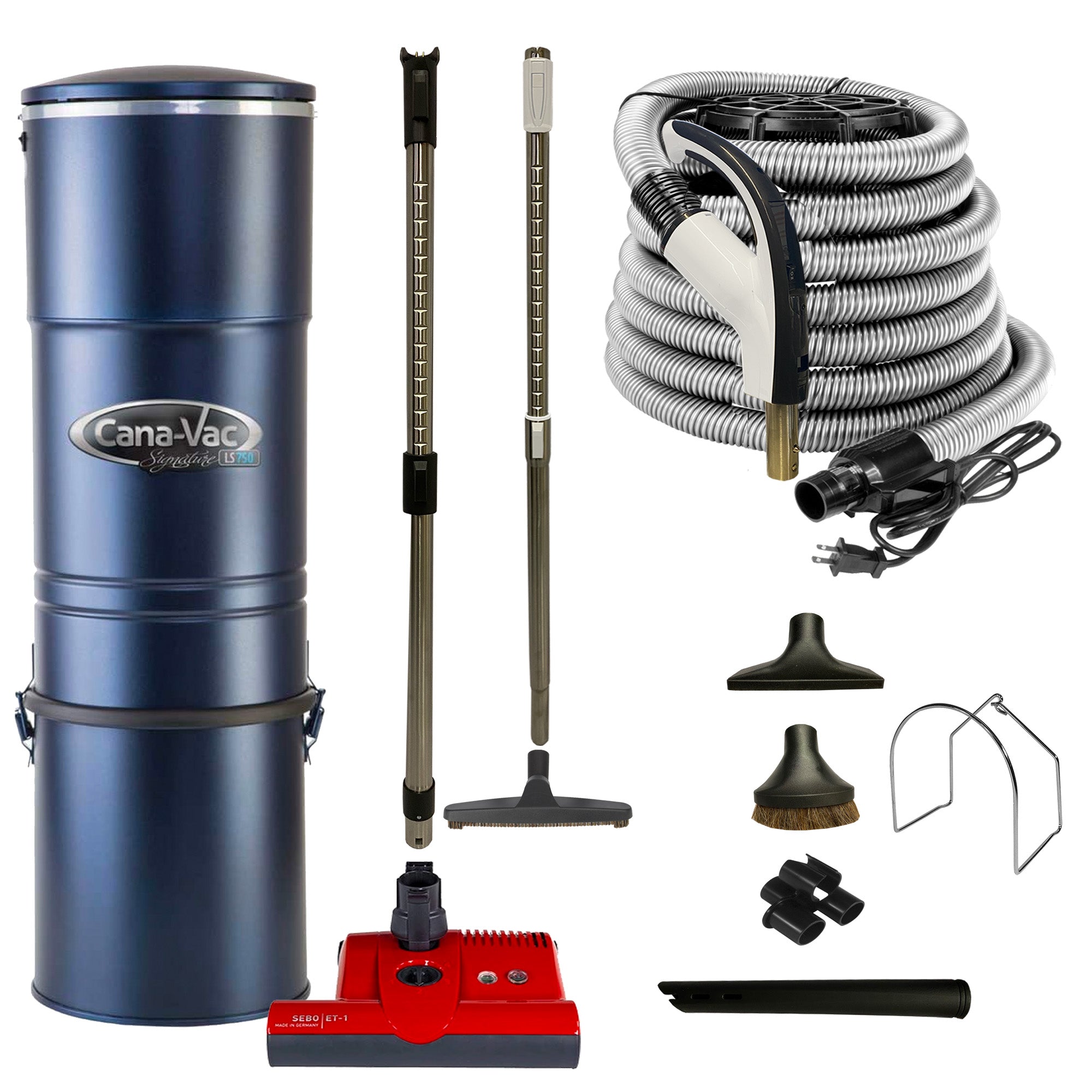
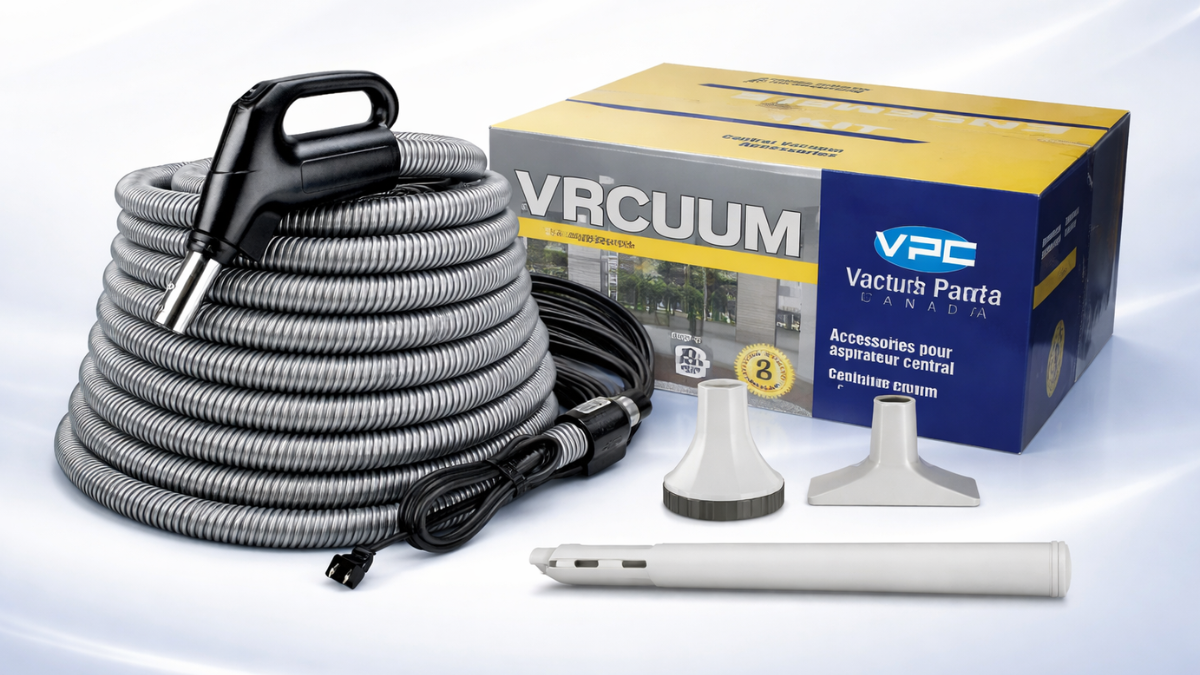
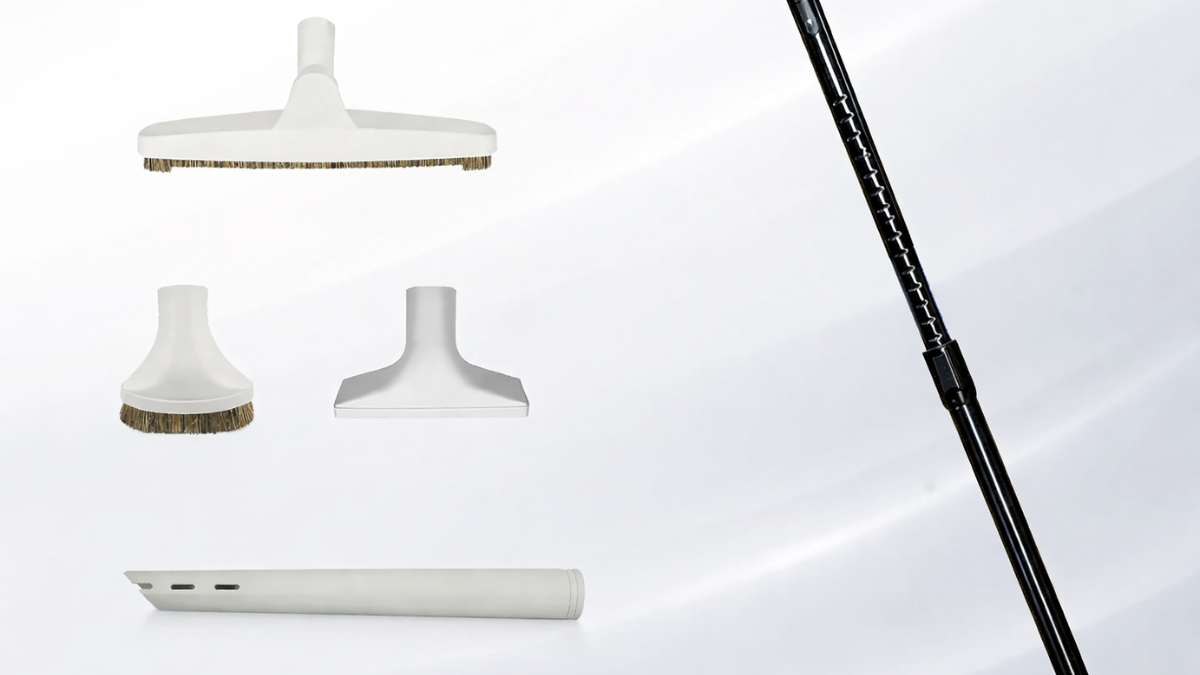
For larger homes or frequent cleaning, a well-designed central vacuum hose kit can significantly improve performance and ease of use.
The Role of Attachments in Airflow Efficiency
Central vacuum hoses and attachments function as a single airflow system. Even the best hose can underperform if attachments leak air or create sudden airflow restrictions. Poorly sealed connections allow outside air to enter, reducing suction where it matters most.
Attachments designed with smooth internal transitions help maintain airflow speed and minimize turbulence. Using the correct tool for each surface—such as turbine brushes for carpets or wide-floor tools for hard surfaces—ensures debris moves efficiently without unnecessary resistance.
Material Quality and Climate Considerations
Material choice plays a crucial role in hose performance and durability. High-quality plastics maintain flexibility while resisting cracks and internal wear. This is especially important for homeowners shopping for central vacuum hoses in Canada, where colder temperatures can make inferior materials brittle and prone to air leaks.
Temperature-resistant hoses maintain their shape and flexibility year-round, preserving airflow efficiency and reducing the risk of premature failure.
Choosing the Right Central Vacuum Hose
Selecting the right hose involves more than choosing a length. Look for features that support efficient airflow and long-term performance:
-
Smooth, abrasion-resistant interiors
-
Crush-resistant and kink-resistant construction
-
Swivel handles to reduce bending stress
-
Compatibility with your system and attachments
Investing in one of the best central vacuum hoses is not just about convenience—it directly impacts cleaning results, motor health, and overall system efficiency.
Final Thoughts
Central vacuum hoses are essential to system performance, acting as the highway for airflow, debris transport, and suction delivery. The physics of airflow, resistance, and bends explains why hose design, material quality, and maintenance matter so much. Whether you’re upgrading your setup, selecting a central vacuum hose kit, or planning a central vacuum hose replacement, understanding how hoses influence airflow helps you make informed, long-lasting choices.
A well-engineered hose doesn’t just improve cleaning—it protects your investment and ensures your central vacuum system performs at its best for years to come.

Leave a comment
This site is protected by hCaptcha and the hCaptcha Privacy Policy and Terms of Service apply.