
Crevice Tools - The Vacuum Attachment That Cleans What Your Vacuum Can't Reach
Dust doesn't collect in the middle of the room. It collects in the seams—between couch cushions, along baseboards, inside window tracks, and under the fridge. A vacuum's main head can't get into any of that, which is exactly the gap a crevice tool is built to close.
If you've ever wondered why your floors look clean but your home still feels dusty, the answer is usually hiding in those narrow spots. Here's what crevice tools actually do, how they differ from crevice brushes, and how to pick a vacuum that comes with the right attachments already built in.
What Is a Crevice Tool?
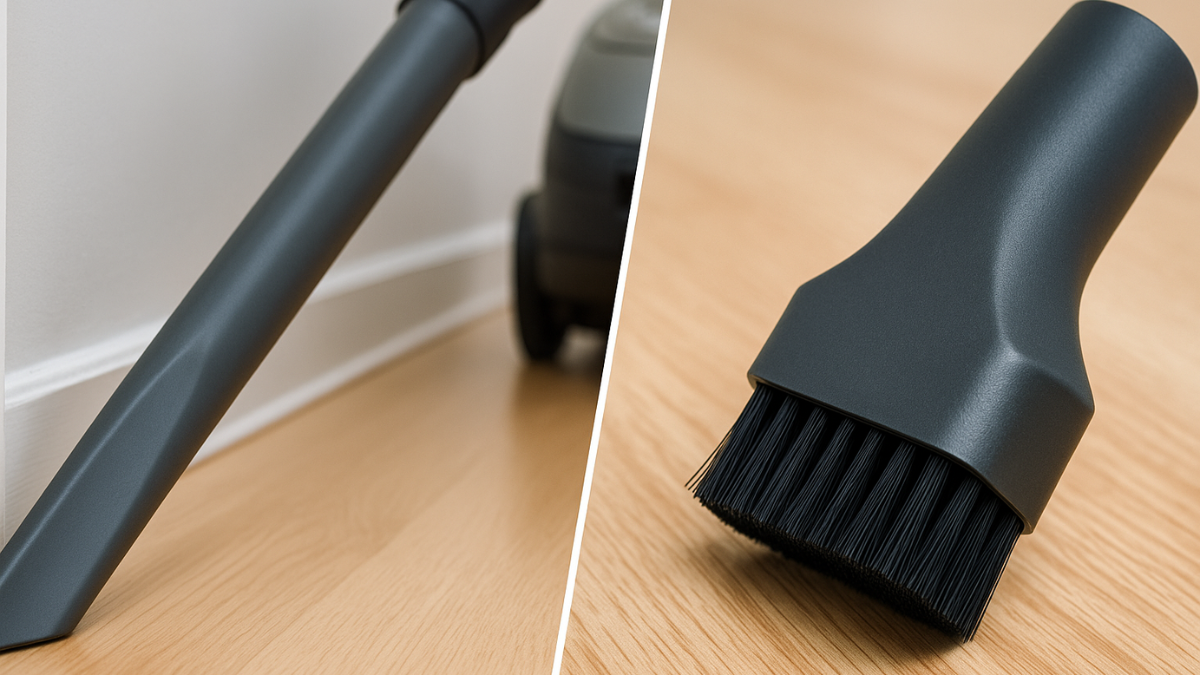
A crevice tool is a slim, angled attachment that fits onto a vacuum's hose or wand. Its narrow tip concentrates suction into a focused stream, so instead of spreading airflow across a wide area, it channels power into a tight line—ideal for gaps a standard nozzle simply can't enter.
Quick answer: A crevice tool is a narrow vacuum attachment used to clean tight, hard-to-reach spaces like baseboards, vents, seat seams, and appliance gaps by concentrating suction into a focused point.
Where a Crevice Tool Works Best
| Area | Why It Works |
|---|---|
| Sofa and cushion seams | Pulls out crumbs, coins, and pet hair trapped in seat gaps |
| Baseboards and trim | Collects dust and cobwebs along edges; standard heads skip |
| Car interiors | Reaches between seats, around pedals, and into dash corners |
| Behind appliances | Cleans gaps too narrow for a full-size vacuum head |
| Vents and radiators | Removes dust buildup in slats and grilles |
Crevice Tool vs. Crevice Cleaning Brush: What's the Difference?
This is one of the most common points of confusion, so here's the short version: a crevice tool relies purely on suction, while a crevice cleaning brush adds soft bristles to loosen debris before it's pulled up.
Think of it as a two-step process. The bristles agitate stuck-on dirt and dust — the kind that suction alone won't budge — and the narrow shape still gets into the same tight spaces. That combination makes it especially effective for the following:
- Window tracks and sliding door frames
- Keyboards, vents, and blinds
- Cobwebs in corners and ceiling edges
- Pet hair embedded in upholstery seams
Rule of thumb: If the debris is loose, use a crevice tool. If it's stuck, embedded, or layered with grime, a crevice cleaning brush will outperform suction alone.


The Full Lineup: Vacuum Brushes and What Each One Is For
Most modern vacuums ship with more than one attachment, and knowing which one to grab saves time—and protects your floors and furniture from the wrong tool.
| Attachment | Best For |
|---|---|
| Crevice Tool | Tight corners, baseboards, gaps between furniture |
| Crevice Cleaning Brush | Same tight spaces, plus embedded dust and debris |
| Dusting Brush | Delicate surfaces like lampshades and blinds |
| Upholstery Tool | Wide, flat surface for sofas and cushions |
| Turbo/Power Brush | Motorized head for carpets and pet hair |
| Hard Floor Brush | Soft bristles that protect hardwood and tile |
Using the wrong attachment on the wrong surface is one of the most common reasons people think their vacuum "isn't working"—when really, it's just doing the wrong job.
How to Choose a Vacuum With the Right Attachments
A vacuum's suction rating matters, but attachments are what determine whether you can actually reach every corner of your home. Before buying, check for:
- Strong, adjustable suction for both carpets and hard floors
- HEPA filtration if allergies or pet dander are a concern
- A complete attachment set, including both a crevice tool and a crevice cleaning brush
- Lightweight, maneuverable design for stairs and furniture
- Easy-empty dust bin to reduce maintenance time
- Low noise output, especially for homes with pets or young kids
Recommended Vacuum Types (Canada)
| Vacuum Type | Notable Strengths |
|---|---|
| CycloVac Central Vacuums | High suction, Canadian-made crevice tool included standard |
| Miele Canister Vacuums | Premium build quality with a full multi-brush attachment set |
| Duovac Central Vacuums | Quiet operation, built for larger homes |
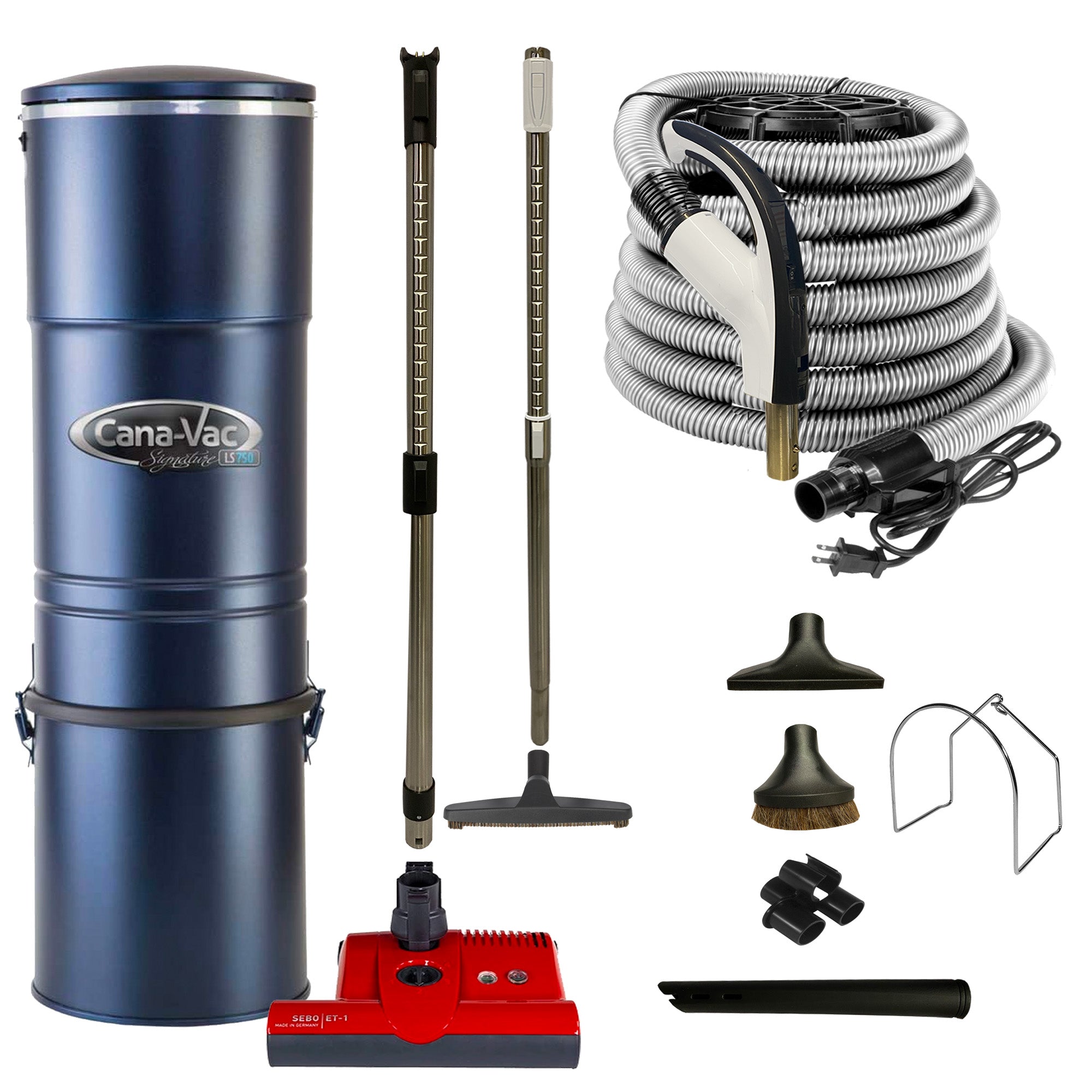
Central vacuum systems in particular tend to include a fuller attachment kit out of the box, which makes them worth a look if you're tired of buying accessories separately.
People Also Ask
Do all vacuums come with a crevice tool? Most upright and canister vacuums include a basic crevice tool, but not all include a crevice cleaning brush with bristles. Check the attachment list before buying if agitation power matters to you.
Can I use a crevice tool on car interiors? Yes, crevice tools are one of the most effective ways to clean between car seats, along console edges, and around pedals where debris collects.
How often should I use a crevice tool? Weekly for high-traffic areas like entryways and sofas; monthly is usually enough for baseboards, vents, and behind appliances.
What's the difference between a crevice tool and a dusting brush? A crevice tool is built for narrow gaps and relies on suction; a dusting brush has soft bristles for flat, delicate surfaces like lampshades and blinds—not tight spaces.
The Bottom Line
A vacuum is only as thorough as its attachments. Suction power gets the visible dirt; a good crevice tool—paired with a crevice cleaning brush—gets everything hiding in the seams, corners, and gaps that make a home feel truly clean.
If your current vacuum is missing either one, it's worth upgrading before your next deep clean. Visit The Vacuum Store Canada to compare vacuums and attachments built for complete, corner-to-corner cleaning—including models with crevice tools and cleaning brushes included standard.

Leave a comment
This site is protected by hCaptcha and the hCaptcha Privacy Policy and Terms of Service apply.