Best Wet Dry Vacuum 2026: Top Models, Buying Guide & FAQs
Quick answer: A wet dry vacuum is worth buying if you deal with both dry debris (sawdust, dirt, crumbs) and wet messes (spills, flooding, clogged drains)—one machine replaces the need for a separate shop vac and mop or wet vac. Top picks include the Johnny Vac JV420HD (40L, workshops and job sites), Johnny Vac XV10PLUS (22L, compact and HEPA-filtered for home use), and Johnny Vac JVC50 (50L, commercial-grade), all available at Vacuum Parts Canada.
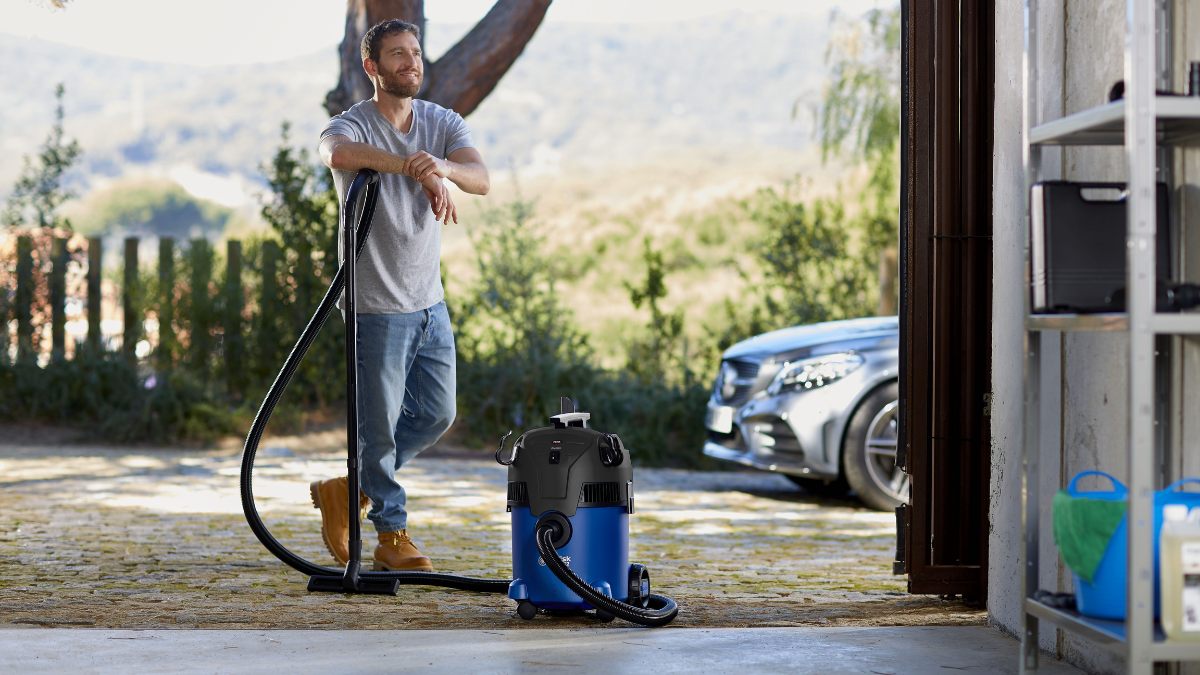
Imagine one machine that vacuums sawdust off a workshop floor, cleans up a spilled bowl of cereal, and pulls standing water out of a clogged drain. That's exactly what a wet dry vacuum is built for. Whether you're managing a garage, a home workshop, or everyday household messes, it's one of the most versatile cleaning tools you can own. Below, we break down whether it's worth buying, how to compare top models, and how to use one safely on different surfaces.
Is It Worth Buying a Wet Dry Vacuum?
Yes. A wet dry vacuum earns its place in a garage, workshop, or even a kitchen closet because it solves problems no single-purpose vacuum or mop can:
- Dual functionality — handles dry debris and wet spills with the same machine
- Durable build — designed for repeated heavy-duty use, not just light home cleanups
- Multi-surface capability — works on carpet, tile, concrete, and hardwood (with the right attachment)
- Stronger suction — most models outperform standard upright vacuums for suction power
- Included accessories — multiple attachments cover everything from crevices to large-area cleanup
Homeowners, pet owners, contractors, and anyone who wants a faster, more effective cleanup all benefit from having one on hand.
What Is the Best Wet Dry Vacuum in 2026?
Vacuum Parts Canada carries a curated lineup of Johnny Vac wet dry vacuums. Here's how the top three compare:
| Feature | Johnny Vac JV420HD | Johnny Vac XV10PLUS | Johnny Vac JVC50 |
|---|---|---|---|
| Tank Capacity | 40L (stainless steel) | 22L (plastic) | 50L (plastic) |
| Suction Power | 1000W dual-stage motor | 1200W max motor | 1200W dual motor |
| Wet/Dry Functionality | Yes. | Yes. | Yes. |
| Portability | Heavy-duty wheels & handle | Compact and portable | Large, industrial-style wheels |
| Filter Type | Washable cartridge + foam | HEPA + foam | Washable polyester + foam |
| Best For | Workshops, garages, construction sites | Home use, pet owners, general purpose | Commercial and heavy-duty cleaning |
Which one should you choose?
- Choose the JV420HD if you need a durable, stainless-steel machine for a workshop or job site.
- Choose the XV10PLUS if you want a compact, HEPA-filtered vacuum for everyday household use, especially with pets.
- Choose the JVC50 if you're cleaning commercial spaces or handling large-volume, heavy-duty messes.
Browse the full range in the commercial canister vacuum collection.
Do You Leave the Filter in a Wet Dry Vac When Vacuuming Water?
No. The standard dry filter should always be removed before vacuuming liquids—running it wet can damage the filter and, in some cases, the motor. Most wet dry vacuums either switch to a dedicated foam filter for wet mode or require no filter at all while vacuuming liquid.
Tip: Always check the manual before switching between dry and wet modes. Skipping this step is one of the most common causes of accidental motor damage in wet dry vacuums.
Is a Wet Dry Vacuum as Good as Mopping?
In most cases, it's better. Traditional mopping tends to spread dirty water around rather than remove it, and it requires wringing, refilling buckets, and waiting for floors to dry. A wet dry vacuum extracts the water directly, which means:
- A deeper clean — grime and liquid are removed, not redistributed
- Less manual effort — no wringing, bucket refills, or drips
- Better hygiene — contaminants are extracted rather than smeared across the floor
A compact model like the Johnny Vac XV10PLUS, with HEPA filtration, is especially well-suited for this type of wet-floor cleanup with minimal effort.
Can You Use a Wet Dry Vacuum on Hardwood Floors?
Yes, but with care. Wet dry vacuums are safe on hardwood when used correctly:
- Use a soft bristle or floor brush attachment designed for finished surfaces
- Avoid oversaturating the floor when in wet mode
- Dry the surface immediately after wet cleaning to prevent moisture damage
- Avoid dragging wheels directly across delicate or finished wood
The Johnny Vac JV420HD comes with multiple attachments suited to hardwood and tile, making it a solid choice if your cleanup needs span more than just concrete or carpet.
How Do I Maintain a Wet Dry Vacuum?
- Empty the tank after every wet use to prevent odor and bacteria buildup.
- Dry the tank and hose fully before storing, especially after wet-mode use.
- Rinse washable filters according to the manufacturer's schedule, and let them air-dry completely before reinstalling.
- Check hose and seal integrity periodically—a worn seal reduces suction power significantly.
Why Buy From Vacuum Parts Canada?
Vacuum Parts Canada is a trusted source for high-quality vacuums, including industry-leading Johnny Vac models. Shopping here gets you:
- Reliable, tested products backed by a real support team
- Free shipping over $99
- Expert guidance to match the right model to your specific cleaning needs
- Canadian-owned and operated service
Final Verdict
From garage gunk to kitchen spills to a clogged floor drain, a wet dry vacuum is one of the most versatile tools you can add to a home or workshop. Whether you need the heavy-duty JV420HD, the compact HEPA-filtered XV10PLUS, or the commercial-grade JVC50, Vacuum Parts Canada has a model built for the mess you're actually dealing with.
Frequently Asked Questions
Can a wet dry vacuum pick up standing water from a clogged drain? Yes, most wet-dry vacuums are designed to extract standing water, making them useful for minor flooding or drain overflow cleanup—just remove the dry filter first.
What size wet dry vacuum do I need for a garage? For a home garage or workshop, a 30–40-liter tank (like the JV420HD) typically offers enough capacity without being difficult to maneuver.
Is a HEPA filter necessary in a wet dry vacuum? It's recommended for households with pets or allergy sufferers, since HEPA filtration traps fine dust and allergens instead of releasing them back into the air during dry-mode use.
How often should I replace the filter in a wet dry vacuum? Washable filters should be rinsed regularly and replaced when they no longer restore suction after cleaning—typically every 6–12 months with regular use.
Need help picking the right wet dry vacuum for your home or job site? Explore the full collection at Vacuum Parts Canada or browse commercial canister vacuums for heavy-duty options.

Leave a comment
This site is protected by hCaptcha and the hCaptcha Privacy Policy and Terms of Service apply.