Best Upright Vacuum 2026: The Complete Buying Guide
Quick answer: The best upright vacuum for most homes in 2026 is one with strong sealed suction, a HEPA filtration system, a tangle-free brush roll, and a weight under 15 lbs for easy maneuvering. If you have pets or allergies, prioritize sealed HEPA filtration and a self-cleaning brush roll. If you mainly need quick daily touch-ups, pair your upright with a cordless stick vacuum for lighter jobs. Shop trusted, tested models at The Vacuum Store Canada for expert-backed picks in every price range.
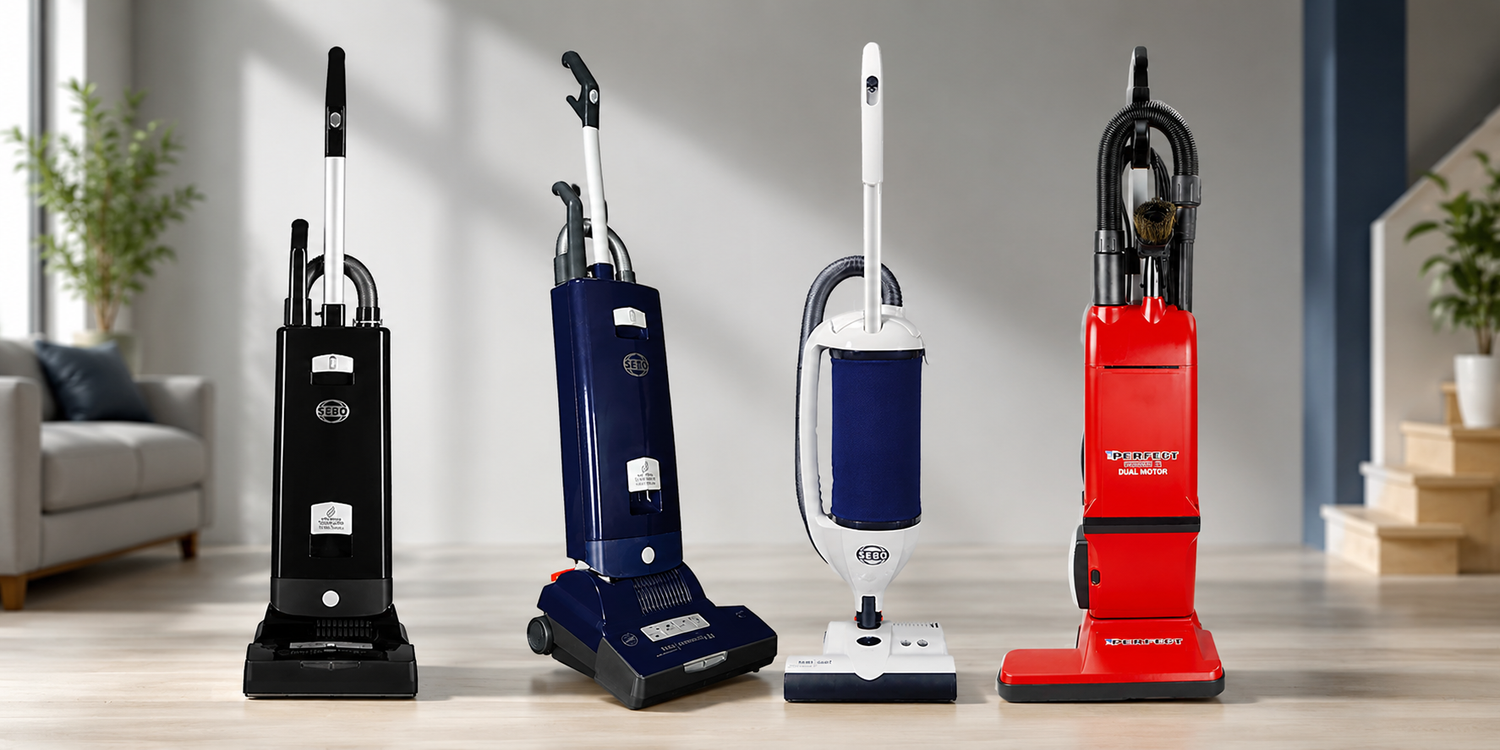
A clean home starts with the right vacuum cleaner, and that choice matters more than almost any other cleaning decision you'll make this year. Carpets and floors need different approaches depending on debris type, foot traffic, and whether pets or allergy sufferers live in the house. Upright vacuums remain the top pick for deep cleaning thanks to their power, large dust capacity, and built-in tool storage — but 2026's models have gotten smarter, lighter, and more efficient than ever. Below, we break down exactly what to look for, how uprights compare to the best stick vacuums, and which features actually matter versus which are just marketing.
What Makes an Upright Vacuum "The Best" in 2026?
The best upright vacuums in 2026 combine four things: strong sealed suction (not just motor wattage), certified HEPA filtration, a detangling brush roll, and smart sensor features that automatically adjust power based on floor type and debris load. Newer flagship models now include real-time dirt sensors, automatic surface detection, and swivel steering as standard rather than premium-only features.
1. Suction Power and Real-World Performance
Motor wattage alone doesn't tell you how well a vacuum cleans — what matters is sealed suction, which measures how effectively the vacuum head maintains airflow and pressure against the floor. This is why two vacuums with identical "watts" can perform very differently in practice.
- Best for: thick carpets, deep-set dirt, large square footage
- Trade-off: stronger suction usually means more weight
- Stick vacuums are excellent for quick, light messes but generally can't match an upright's deep-clean suction on carpet
Quick tip: Ask any retailer for the vacuum's sealed suction rating (measured in kilopascals or airflow in CFM) rather than relying on wattage alone—it's the more honest performance indicator.
2. Filtration System
If anyone in your household has allergies or asthma, filtration should be your top priority, not suction. Look for a certified HEPA filter that captures at least 99.97% of particles down to 0.3 microns—dust mites, pollen, and pet dander included.
- Sealed HEPA systems (filter + gasket seal) outperform "HEPA-style" filters that leak air around the seams
- Washable filters cut down on long-term replacement costs
- Stick vacuums rarely include true sealed HEPA systems, especially at lower price points
3. Weight and Maneuverability
Newer uprights have shed significant weight compared to older bagged models, many now landing in the 12–17 lb range with swivel steering and low-profile heads that reach under furniture. If you have stairs, multiple levels, or tight hallways, maneuverability should weigh as heavily in your decision as raw power.
- Swivel steering: easier direction changes around furniture
- Shallow cleaner heads: better under-furniture reach
- Detachable canisters/handhelds: convenience for stairs and car interiors
4. Bagged vs. Bagless
| Bagged | Bagless | |
|---|---|---|
| Best for | Allergy sufferers, minimal-mess disposal | Convenience, no recurring bag cost |
| Maintenance | Replace bags periodically | Empty and rinse filters regularly |
| Weight | Usually heavier | Usually lighter |
| Dust exposure on empty | Very low | Higher |
Most stick vacuums are bagless by design to stay compact and light, while uprights are available in both formats—giving you more flexibility to match your priorities.
5. Attachments and Tools
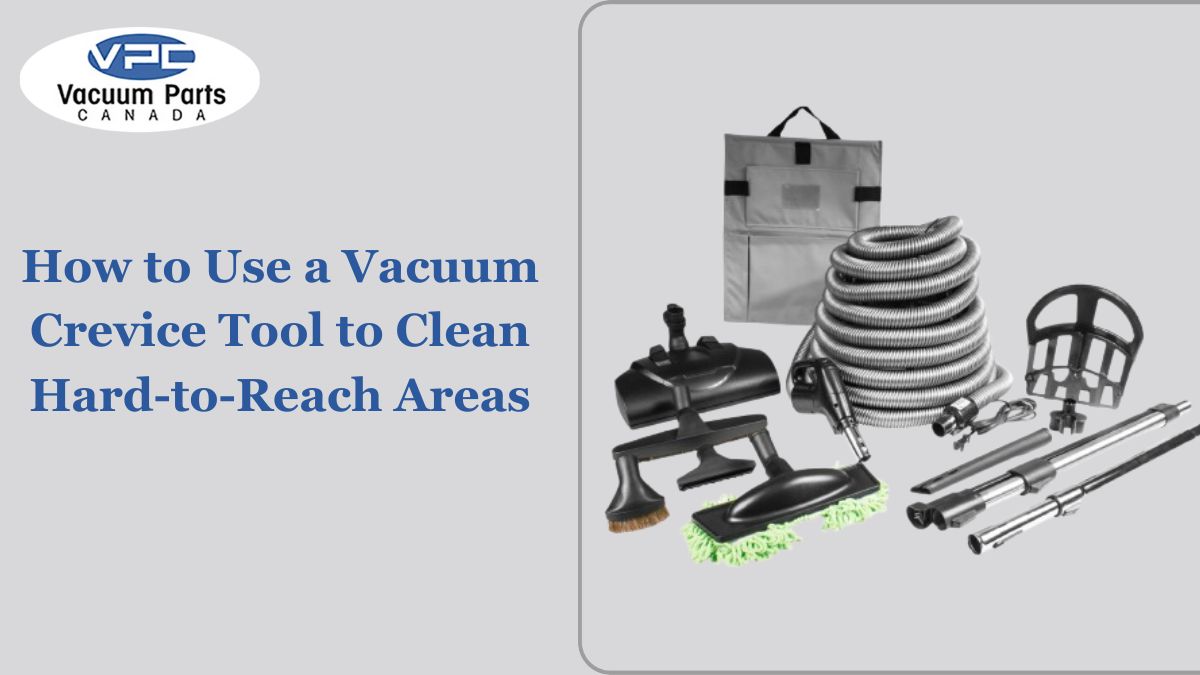
A well-rounded upright should include a crevice tool, an upholstery brush, and a dedicated pet hair tool at minimum. Pet owners specifically benefit from a motorized mini-brush attachment for stairs, couches, and car seats. Stick vacuums typically ship with fewer attachments to preserve their lightweight profile, while full-size uprights—including many from Vacuum Parts Canada—bundle a more complete toolkit for whole-home versatility.
6. Corded vs. Cordless
Corded uprights still win for uninterrupted, whole-house deep cleaning since there's no battery to manage. Cordless options (common among stick vacuums) typically run 20–60 minutes per charge, which is plenty for spot cleaning but can fall short for larger homes or multi-room sessions in a single pass.
7. Ease of Maintenance
Look for:
- Washable, reusable filters
- Large-capacity dust bins to reduce emptying frequency
- Self-cleaning or tangle-free brush rolls — a must-have for pet households
8. Price and Warranty
Pricing spans budget-friendly to premium flagship models, and a longer warranty (3–5 years standard, up to 7 years on some premium units) is a strong signal of manufacturer confidence. Compare warranty terms as closely as suction specs before buying.
Upright vs. Stick Vacuum: Quick Comparison
| Factor | Upright Vacuum | Stick Vacuum |
|---|---|---|
| Deep carpet cleaning | Excellent | Good, not deep-clean level |
| Weight | Heavier | Lightweight |
| Battery dependency | None (corded) or long-run cordless | Yes, 20–60 min typical |
| Filtration | Often sealed HEPA available | Less common, especially budget models |
| Best use case | Whole-home deep clean | Quick daily touch-ups |
Bottom line: Many households do best with one of each—an upright for deep weekly cleans and a stick vacuum for daily quick pickups.
FAQ
What is the best upright vacuum for pet hair in 2026? Look for a model with a tangle-free or self-cleaning brush roll, sealed HEPA filtration, and a dedicated motorized pet-hair attachment. These three features together make the biggest difference for homes with shedding pets.
Is a bagged or bagless upright vacuum better for allergies? Bagged vacuums are generally better for allergy sufferers because the bag contains dust during disposal, whereas bagless models expose you to more dust when emptying — even with a good filter.
Do I need both an upright and a stick vacuum? Not necessarily, but many households find it convenient: an upright for deep, whole-home cleaning and a stick vacuum for fast, everyday spot cleaning in smaller areas.
How much suction power do I actually need? Focus on sealed suction and airflow ratings rather than motor wattage. Higher sealed suction matters most for thick carpets and pet hair; for mostly hard floors, moderate suction with good filtration is usually sufficient.
What warranty length should I expect on a quality upright vacuum? Most reputable upright vacuums come with a 3- to 5-year warranty, with some premium models extending coverage up to 7 years.
Final Takeaway
The best upright vacuum for you is the one that matches your home's flooring, allergy needs, and cleaning habits — not just the model with the highest spec sheet. Prioritize sealed suction and true HEPA filtration first, then weigh maneuverability, attachments, and warranty against your budget. For hands-on comparisons and current pricing across trusted models, browse the full lineup at The Vacuum Store Canada to find the upright vacuum that keeps your home consistently clean in 2026 and beyond.

Leave a comment
This site is protected by hCaptcha and the hCaptcha Privacy Policy and Terms of Service apply.