
Where to Use a Crevice Tool: The Complete 2026 Guide to Cleaning Tight Spaces
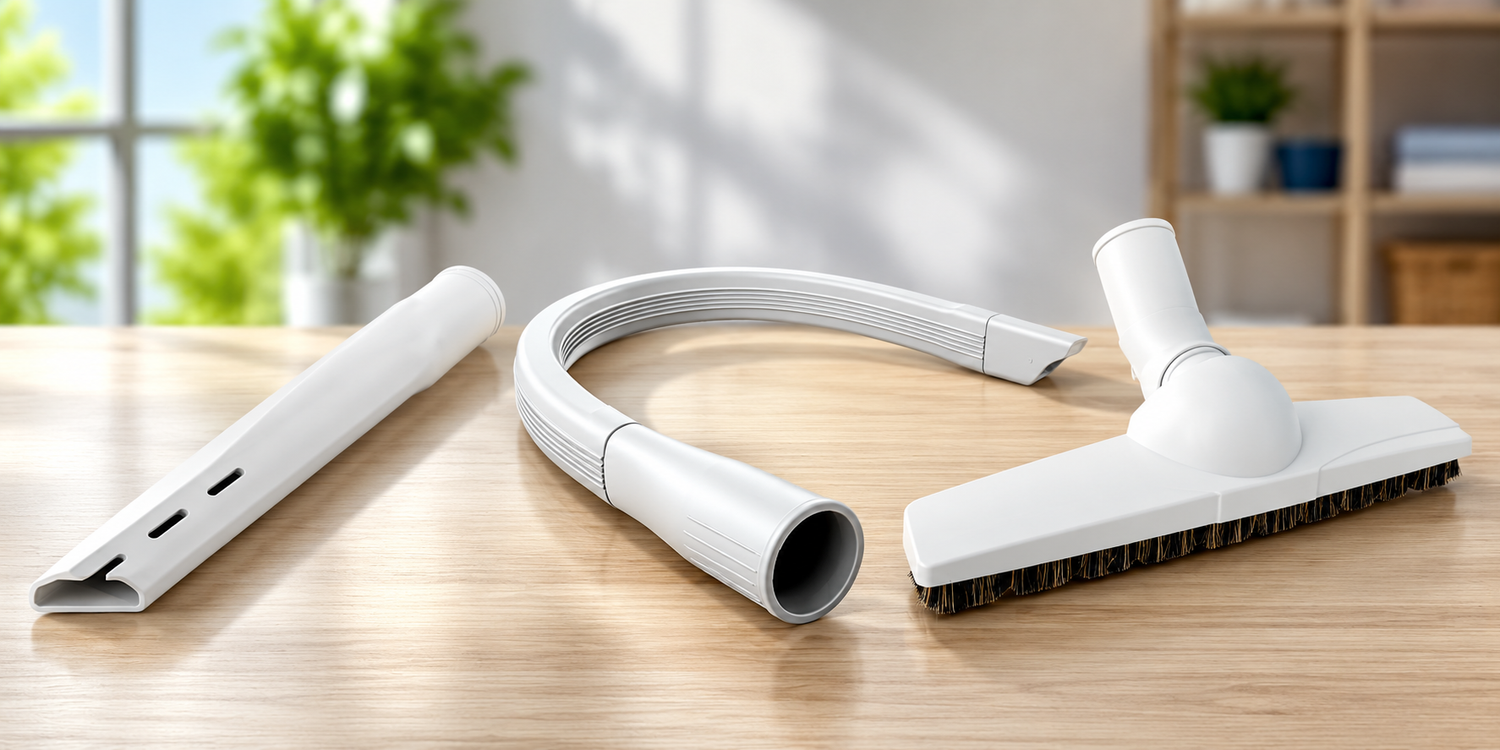
Quick answer: A crevice tool is a narrow, angled vacuum attachment built to clean the 6 spots your regular vacuum head can't reach: baseboards, furniture corners, window tracks, car interiors, vents/radiators, and appliance gaps. If dust collects somewhere flat or wide attachments can't fit, a crevice tool is the accessory you need.
Standard vacuum heads are built for open floor space. The moment dirt hides in a groove, a seam, or a 2-inch gap, it's useless—and that's exactly where most household dust actually accumulates. Below is a practical breakdown of the six places a crevice tool earns its keep, plus a quick-reference table and answers to the questions people ask most before buying one.
Crevice Tool Use Cases at a Glance
| Area | Common Debris | Why Standard Heads Fail |
|---|---|---|
| Baseboards & floor edges | Dust, pet hair, cobwebs | A bulky head can't hug tight corners |
| Furniture corners & cushions | Crumbs, coins, pet hair | Nozzle width too wide for gaps |
| Window tracks & door grooves | Dust, dead insects, grit | Flat-surface tools skim over grooves |
| Car seats & consoles | Crumbs, sand, small debris | Angled crevice needed to reach folds |
| Vents, radiators & grates | Dust buildup, allergens | Slats block wide attachments |
| Appliance gaps & behind electronics | Grease, dust, dropped food | No clearance for standard heads |
1. Baseboards and Floor Edges
Baseboards trap a thin, continuous layer of dust and pet hair that most vacuum heads glide right past. A crevice tool's slim profile runs directly along the edge where wall meets floor, lifting debris a wide nozzle simply can't reach. Running one along your baseboards every time you vacuum keeps buildup from turning into a visible grey line over time.
2. Corners and Tight Spaces in Furniture
Couch cushions, the gaps under cabinets, and the narrow space around chair and table legs collect crumbs, coins, and pet hair faster than almost anywhere else in a home. The crevice tool's pointed tip slides into these gaps without needing to move furniture, making it the fastest way to keep upholstery and furniture bases genuinely clean rather than surface-tidy.
3. Window Tracks and Sliding Door Grooves
Window tracks and door grooves are dust magnets—grit, dead insects, and debris settle into the channel and are almost impossible to remove by hand or cloth. A crevice tool's narrow tip fits directly into the groove, pulling out packed debris so doors glide smoothly and tracks stay clear.
4. Car Interiors and Seat Creases
Seat folds, the gap between console and seat, and footwell edges collect crumbs and small debris that build up fast in daily-use vehicles. A crevice tool reaches these areas without requiring you to remove seats or cushions, making it one of the quickest tools for a genuinely clean car interior in under ten minutes.
5. Vents, Radiators, and Heating Grates
Vents and radiators accumulate dust rapidly, and that buildup can both reduce indoor air quality and reduce heating/cooling efficiency. A crevice tool's narrow tip fits between slats and grates, clearing dust before it recirculates through the room—a small habit that meaningfully improves air quality for allergy sufferers.
6. Appliance Gaps and Behind Electronics
The gaps behind refrigerators, ovens, and entertainment units collect dust, crumbs, and occasionally grease—and left alone, this buildup hardens into grime or attracts pests. A crevice tool clears these narrow spaces in seconds, preventing the kind of long-term buildup that's far harder to remove once it sets in.
Frequently Asked Questions
What is a crevice tool used for? A crevice tool is a narrow vacuum attachment designed to clean tight, hard-to-reach spaces such as baseboards, furniture gaps, window tracks, vents, and car interiors—anywhere a standard vacuum head is too wide to fit.
Is a crevice tool necessary if I already have a standard vacuum head? Yes. Standard heads are built for open floor areas and can't access grooves, corners, or gaps under an inch or two wide. A crevice tool complements — not replaces — your main attachment.
Can a crevice tool damage surfaces like window tracks or upholstery? No, when used as intended. The tip is designed for suction-based debris removal, not scraping, making it safe for wood, upholstery, plastic tracks, and vent slats.
How often should I use a crevice tool in my car? Every 2–4 weeks for regular drivers, or weekly if you frequently eat in the car or transport pets—crumbs and debris in seat creases build up faster than most people expect.
Does a crevice tool fit all vacuum brands? Most crevice tools use a standard attachment size compatible with major vacuum brands, but it's worth checking compatibility before buying—The Vacuum Parts Canada carries options matched to specific vacuum models.
Final Thoughts: One Small Attachment, a Genuinely Cleaner Home
Baseboards, furniture gaps, window tracks, car interiors, vents, and appliance corners are where dust actually lives—and a crevice tool is the one accessory built to reach all six. It's a small investment that closes the gap (literally) between a floor that looks clean and a home that actually is.
Ready to upgrade your cleaning routine? Browse crevice tools and compatible attachments at The Vacuum Parts Canada and find the right fit for your vacuum model.


Leave a comment
This site is protected by hCaptcha and the hCaptcha Privacy Policy and Terms of Service apply.