
Cyclovac Maintenance and Troubleshooting Guide for 2026
Quick answer: Most Cyclovac performance issues — loss of suction, a motor that won't start, or unusual noise — can be traced back to a full canister or bag, a clogged filter, a blockage in the hose or piping, or a low-voltage wiring issue. Regular maintenance (emptying the canister, cleaning filters every few months, and checking hoses for blockages) prevents the majority of problems before they start.
Why Regular Maintenance Matters
A Cyclovac central vacuum is built for power, convenience, and long-term reliability, but like any mechanical system, it performs best with consistent upkeep. A few minutes of routine maintenance each month can prevent most of the suction loss and performance issues homeowners run into — and can meaningfully extend the life of the system.
1. Core Maintenance Tasks
Empty the Dust Canister or Replace the bag.
Cyclovac systems use either a disposable bag or a reusable dust canister. Replace bags once they're about two-thirds full to avoid reduced suction, and empty canister models regularly to prevent dust buildup from affecting airflow.
Clean the Filters
Depending on your model, your Cyclovac may use foam, HEPA, or carbon filters. Clean filters every few months—gently tapping off dust or washing washable filters with water and using compressed air on non-washable types. Regular filter care keeps dust away from the motor and preserves suction strength.
Check for Blockages
Inspect hoses and inlets periodically for large debris, hair, or other material that can restrict airflow. A plumber's snake or thin, flexible rod is usually enough to clear a visible obstruction.
Inspect and Monitor the Motor
The motor is the core of your system, so it's worth paying attention to. Unusual noises or vibrations often signal an early motor issue — catching it early with a professional inspection can prevent a more costly repair later.
2. Troubleshooting Common Cyclovac Problems
Loss of Suction
This is the most common issue homeowners report, and it usually comes down to one of three causes:
- Blockages in the hose, inlets, or piping
- A full bag or canister restricting airflow
- Clogged filters preventing air from moving through the system properly
Work through these three checks in order—they resolve the vast majority of suction complaints without needing a technician.
Motor Won't Turn On
If the motor doesn't start, check these areas before assuming it's a major repair:
- Power supply — Confirm the unit is plugged in, the circuit breaker hasn't tripped, and there's no blown fuse.
- Low-voltage wiring — Central vacuums use low-voltage signals to trigger the motor; damaged or loose connections here can prevent startup.
- Reset button — Many models include a reset button that restores power after the motor overheats and shuts off automatically.
Unusual Noises
Cyclovac systems are designed to run quietly, so a new or unusual sound is worth investigating:
- Debris in the fan or motor — Turn off the unit and check for lodged objects in the fan assembly.
- Worn motor brushes — Brushes wear down over time and can cause grinding or rattling sounds; replacement is best handled by a professional.
3. Filter Replacement Schedule
| Filter Type | Maintenance Frequency |
|---|---|
| HEPA filters | Replace every 12–18 months |
| Foam filters | Wash every 3–6 months |
| Carbon filters | Replace every 6–12 months |
Staying on this schedule keeps allergen filtration effective and prevents the gradual suction loss that comes with a clogged filter.
4. How to Clear a Blockage
- Inspect the hose. Disconnect it from the wall inlet and look for visible obstructions; use a long, flexible rod to push debris through if needed.
- Check the inlet valves. Reduced suction at one specific inlet often points to a clog near that location rather than a system-wide issue.
- Use a shop vacuum or blower. If the blockage isn't visible, a portable vacuum or leaf blower can sometimes force the obstruction through the piping.
5. Accessory Maintenance
- Brushes and attachments — Clean after each use, especially following pet hair or heavily soiled surfaces, to prevent buildup that reduces performance.
- Hose storage — Coil hoses properly to avoid kinks, and avoid pulling or tugging on the hose, which can shorten its lifespan over time.
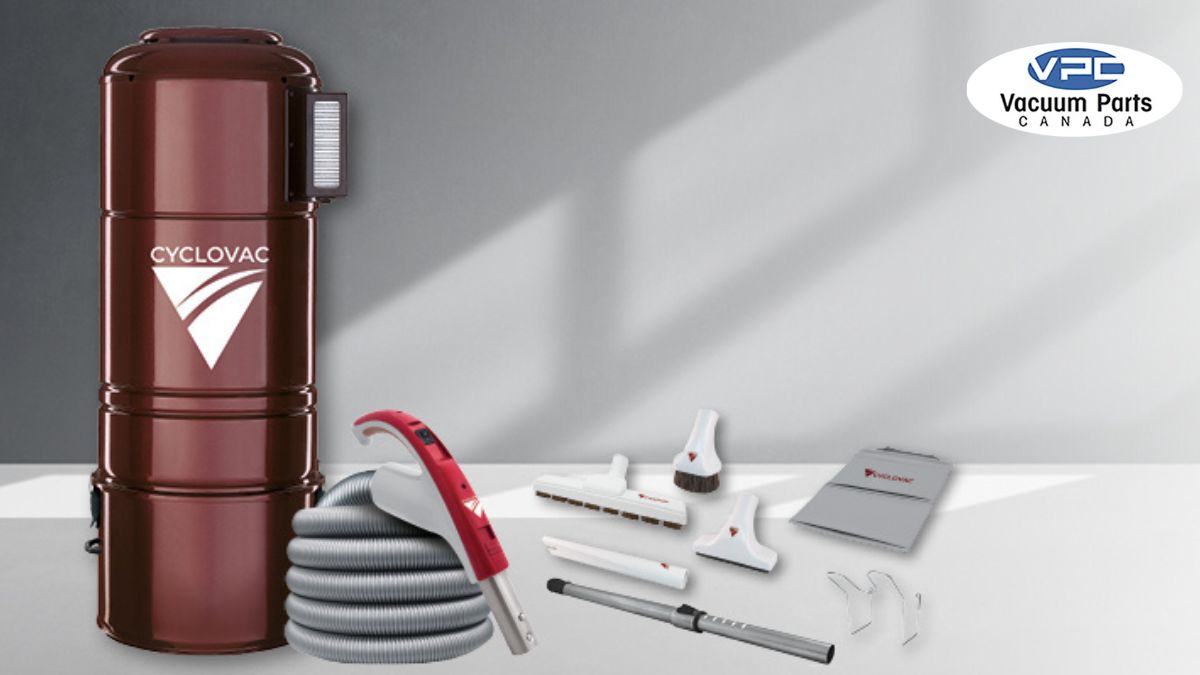
- Wands and attachments — Inspect periodically for wear and replace any pieces showing visible damage.
What's New for Cyclovac Maintenance in 2026
- Smart maintenance indicators — More Cyclovac-compatible systems now include sensors or app alerts that flag a full canister or a filter that needs attention before performance drops.
- Longer-lasting HEPA-13 filters — Higher-grade filtration options are increasingly available, offering both stronger allergen capture and, in some models, a longer service interval.
- Improved low-voltage diagnostics — Newer control panels make it easier to identify wiring issues without opening up the unit, simplifying early troubleshooting.
When to Contact a Professional
Some issues are best left to a certified Cyclovac technician rather than DIY troubleshooting:
- Electrical issues — Anything involving wiring should be handled by a professional for safety.
- Motor repair or replacement — A technician can accurately assess whether the motor needs servicing or full replacement.
- System upgrades — Adding new accessories or expanding the system benefits from professional installation to ensure proper integration.
Frequently Asked Questions
Why is my Cyclovac losing suction? The most common causes are a blockage in the hose or piping, a full bag or canister, or a clogged filter. Checking these three areas resolves most suction complaints.
How often should I replace my Cyclovac's HEPA filter? Most manufacturers recommend replacing HEPA filters every 12 to 18 months, depending on usage and household conditions.
What should I do if my Cyclovac motor won't turn on? Check the power supply and circuit breaker first, then inspect the low-voltage wiring connections, and try the reset button if your model has one.
Can I clear a blockage myself? Yes, in most cases. Disconnecting the hose and using a flexible rod, or using a shop vacuum or leaf blower on the piping, resolves most blockages without professional help.
When should I call a Cyclovac professional instead of troubleshooting myself? Contact a technician for anything involving electrical wiring, suspected motor damage, or system upgrades—these require specialized tools and expertise to handle safely.
Get Expert Cyclovac Support
Whether you need replacement filters, help clearing a stubborn blockage, or a professional inspection, Vacuum Parts Canada carries genuine Cyclovac parts and accessories and can connect you with expert support. Contact us today to keep your system running at its best.

Leave a comment
This site is protected by hCaptcha and the hCaptcha Privacy Policy and Terms of Service apply.