
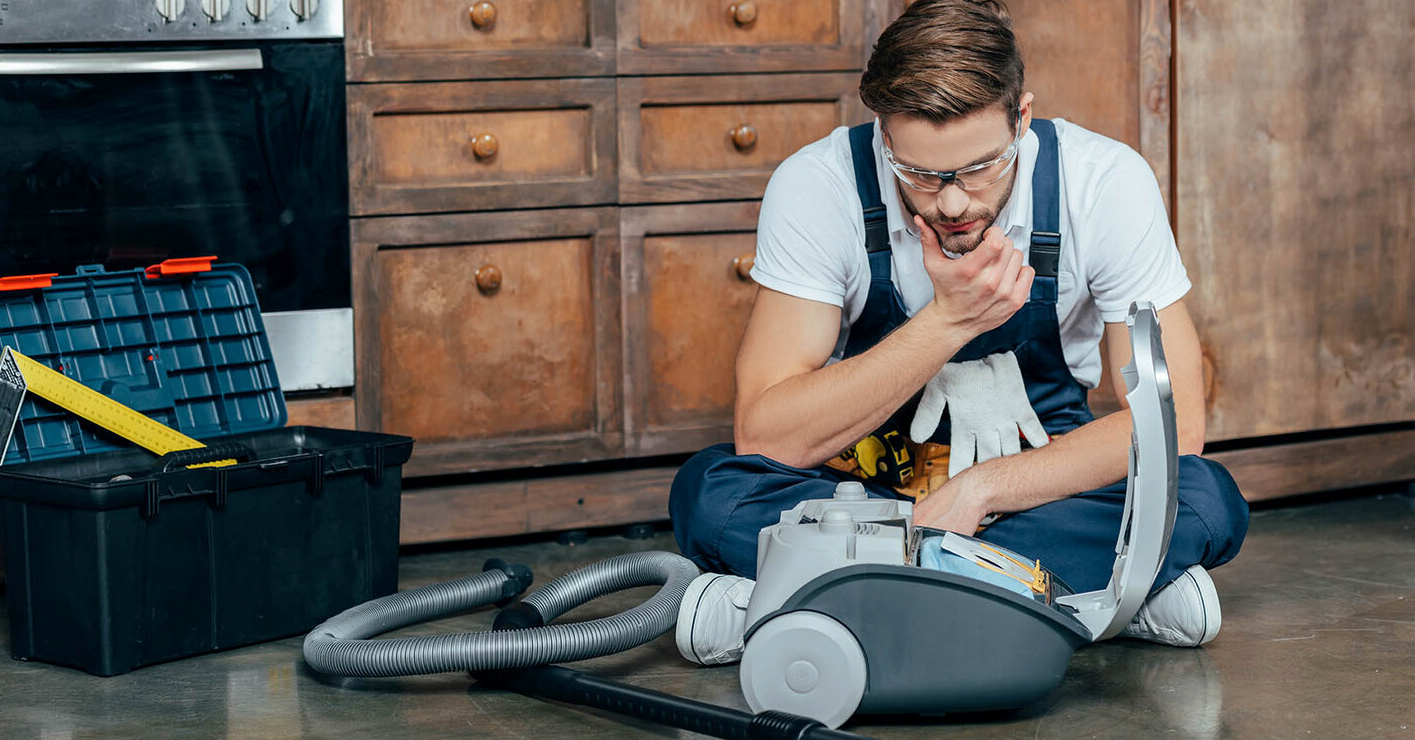
Why Is My Vacuum Cleaner Louder Than Usual? A 2026 Troubleshooting Guide
Quick answer: A vacuum cleaner is never silent, but a sudden change in sound — louder, higher-pitched, or rattling — usually points to one of five causes: a full bag or bin, a dirty filter, a clogged hose, a damaged fan, or worn motor or brush bearings. Working through these five checks in order will identify the cause in most cases, and catching the issue early can prevent more expensive motor damage down the line.
Why Vacuum Noise Is Worth Paying Attention To
No vacuum sweeper runs silently—some amount of motor and airflow noise is normal. But a change in that sound is a signal worth listening to. New rattling, whining, or noticeably louder operation often means something inside the machine is working harder than it should, and left unchecked, that extra strain can shorten the life of the motor. Catching the cause early is usually a simple fix; ignoring it can turn into an expensive repair.
1. Check the Filters and Bag or Bin
As a disposable bag or dustbin fills up, airflow through the machine changes—and so does the sound. If you notice a shift in pitch or volume during normal use, start here:
- Empty the bin or replace the bag if it's nearing capacity.
- Inspect your filters. Most household vacuums use two filters, and a clogged filter restricts airflow the same way a full bag does.
- Clean washable filters gently with lukewarm water, rubbing carefully by hand since filter material is often delicate. Let it dry completely before reinstalling.
If you need a replacement, check your Ottawa vacuum filter options to make sure you're replacing it with the correct type for your model.
2. Check the Hose or Tube
The long tube connecting the main body of the vacuum to the brush head is a common source of new noise. If debris — hair, string, or larger particles — gets lodged inside, airflow changes and the pitch of the vacuum shifts noticeably.
- Detach the tube at both ends and look for visible blockages.
- Use a flexible rod or similar tool to dislodge anything you can't see or reach by hand.
A clogged tube is one of the easiest issues to fix yourself and one of the most common causes of a sudden noise change.
3. Check the Fan
If filters and the hose are clear, the next likely source is the fan located near the motor, which generates suction. A few signs point here specifically:
- Loose fan housing — Check that all screws are secure; a loose fan assembly can rattle audibly during use.
- Broken or chipped blades — Damaged fan blades often create a distinct, rhythmic noise tied to the motor's speed.
If you're not confident inspecting this yourself, it's worth having a professional take a look before continuing to use the machine.
4. Check the Motor
If the fan checks out fine, the motor itself may be the issue—and this is the one component where you should stop troubleshooting and take action immediately.
- A burning smell during operation is a clear warning sign.
- Visible rust anywhere on the motor housing indicates internal wear that's likely affecting performance and safety.
A faulty motor should never continue to be used. At this point, the motor typically needs replacement rather than repair.
5. Check the Brush Bearings
The brush roller inside the floor head spins on a set of small ball bearings. Over time, these bearings can rust or wear down, creating friction — and friction means noise. If you've ruled out everything else, worn brush bearings are a common final culprit, and the fix is usually to replace the entire brush roller unit rather than the bearings individually.
Quick Diagnostic Checklist
| Symptom | Likely Cause | What to Do |
|---|---|---|
| Muffled, weaker sound | Full bag/bin or clogged filter | Empty bin and clean or replace filter |
| Whistling or pitch change | Clogged hose | Detach and clear the tube |
| Rattling near the motor | Loose or damaged fan | Secure screws and inspect blades |
| Burning smell or rust on motor | Failing motor | Stop use and replace the motor. |
| Grinding near the brush head | Worn brush bearings | Replace the brush roller unit |
What's New for Vacuum Noise Diagnostics in 2026
- Built-in suction indicators are now common on mid-range and premium models, alerting users when reduced airflow (often the first sign of a developing noise issue) is detected.
- Sealed, longer-life fan bearings in newer vacuum designs have reduced how often fan-related noise issues occur compared to older models.
- Quick-release brush rollers on many current floor heads make bearing-related replacements a simple DIY task rather than requiring professional disassembly.
Frequently Asked Questions
Why does my vacuum suddenly sound louder than normal? A sudden change in volume or pitch is most often caused by a full bag or bin, a clogged filter, a blocked hose, or an issue with the fan or motor. Working through each in order usually identifies the cause.
Is it safe to keep using a vacuum that smells like it's burning? No. A burning smell typically indicates a motor issue, and the vacuum should be stopped and inspected immediately to avoid further damage or a safety hazard.
How do I know if it's the filter or the hose causing the noise? Start with the filter and bag or bin, since it's the easiest to check. If the noise persists after cleaning or replacing them, move on to inspecting the hose for blockages.
Can I clean my vacuum filter myself? Yes, in most cases. Washable filters can typically be gently rinsed with lukewarm water and air-dried before reinstalling—just handle them carefully, as filter material is often delicate.
When should I replace the brush roller instead of just the bearings? Since the bearings are integrated into the brush roller assembly on most models, replacing the entire unit is usually simpler and more reliable than attempting to service the bearings individually.
Need New Vacuum Parts?
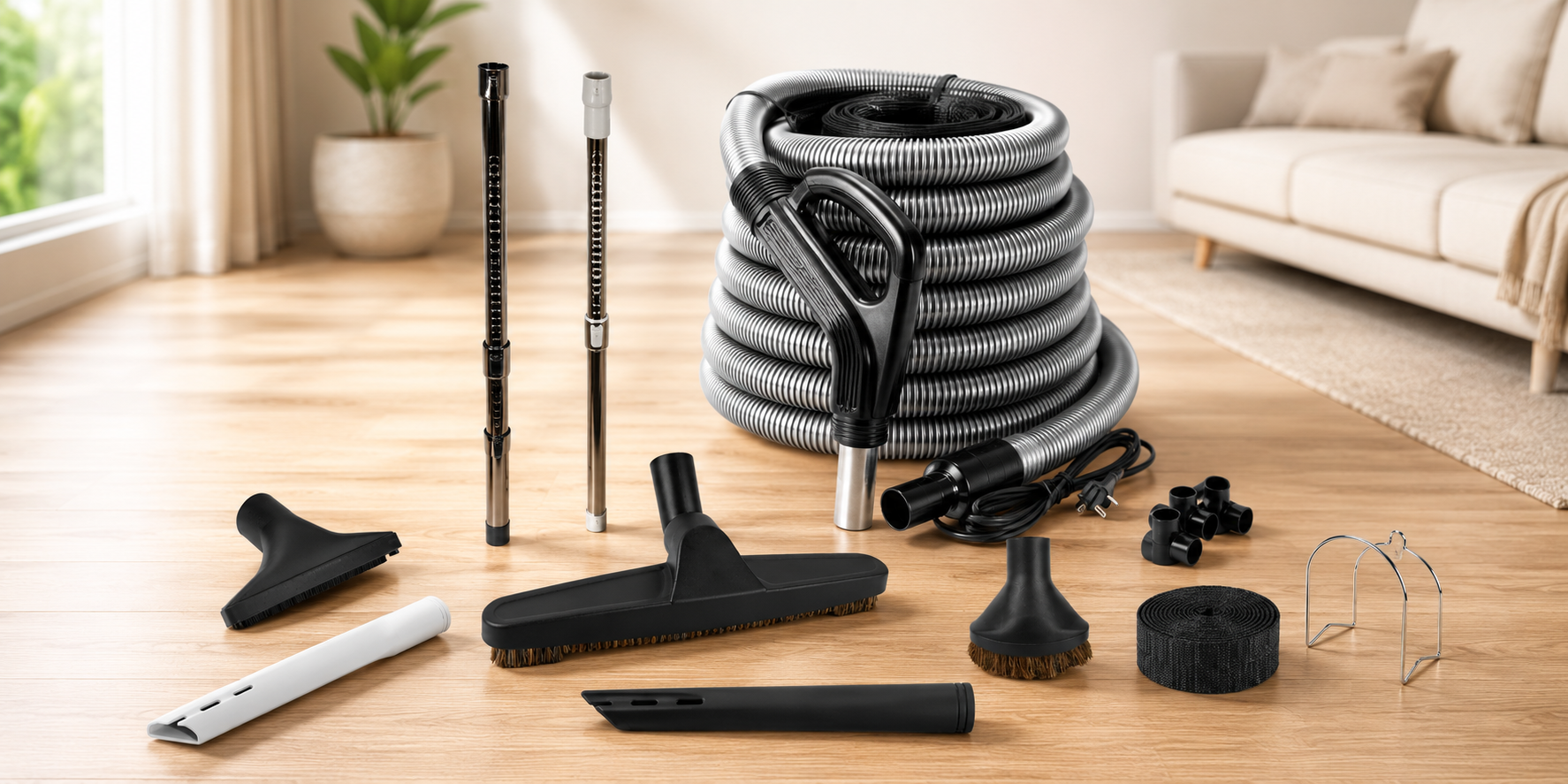
If you've worked through these checks and it's time for a replacement part—or a whole new machine — Vacuum Parts Canada carries a wide selection of vacuum parts in Canada to fit your make and model. Visit our online store today to find exactly what your vacuum needs.


Leave a comment
This site is protected by hCaptcha and the hCaptcha Privacy Policy and Terms of Service apply.