Central Vacuum Accessories in Ottawa: The Complete 2026 Attachment & Cleaning Guide
The best central vacuum accessory turns a basic vacuum into a precision cleaning tool—and picking the wrong one is the most common reason people give up on hard-to-reach spots like blinds, stairs, and vents. This guide covers every standard vacuum attachment, what it's actually for, and how to use it, plus where to find genuine vacuum accessories in Ottawa that fit your specific make and model.
What are the most common vacuum accessories?
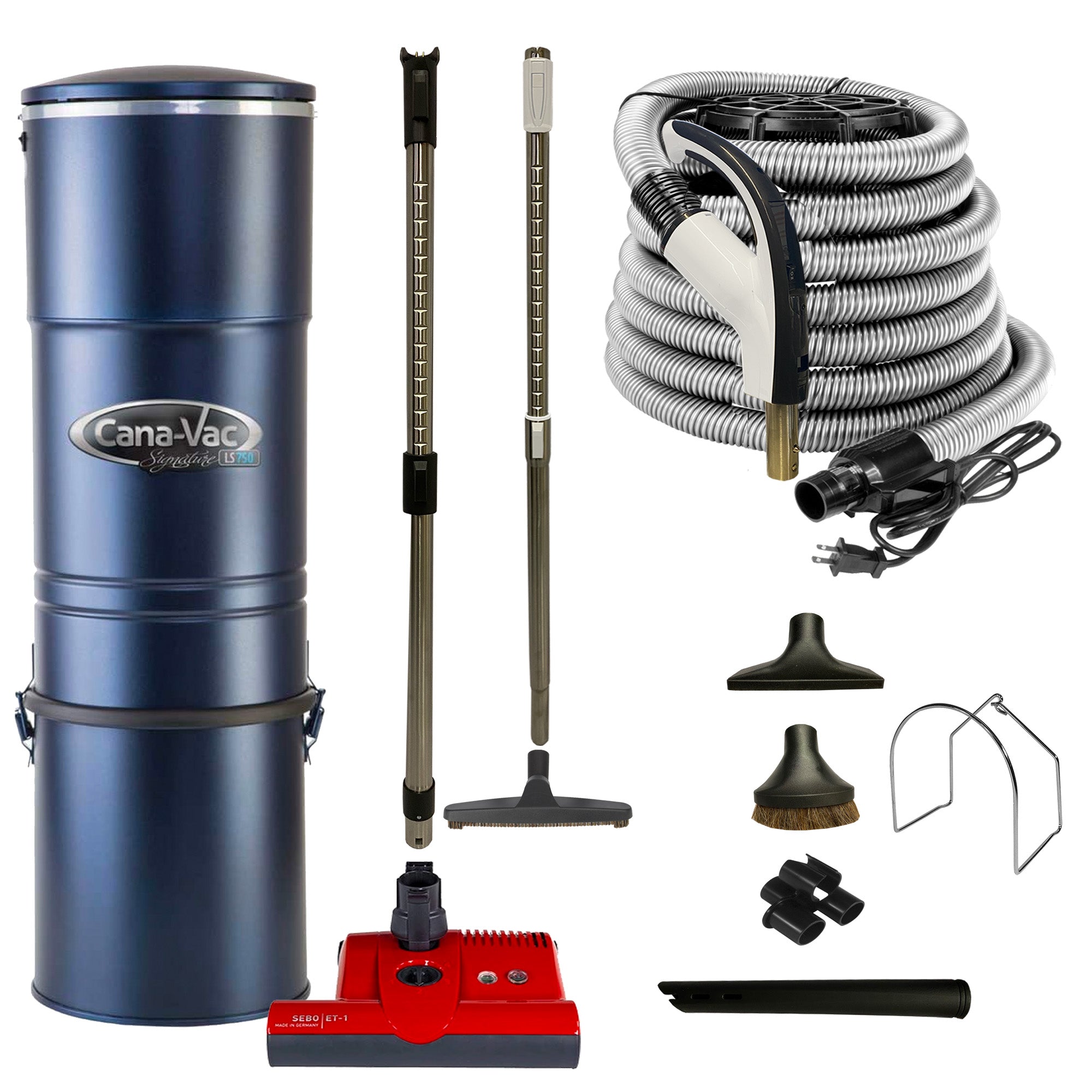
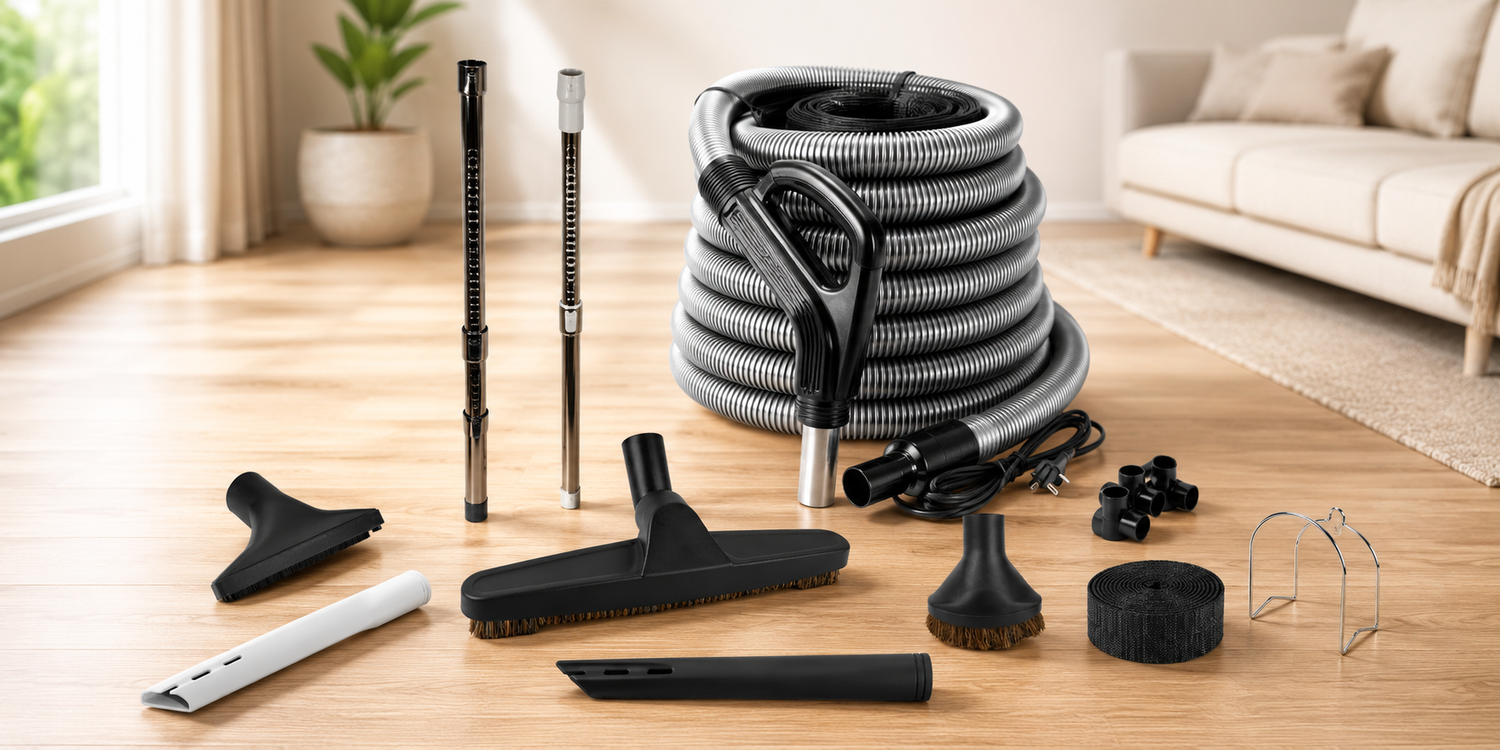
The five attachments included with most vacuums are the crevice tool, flexible crevice tool, upholstery tool, turbobrush, and dust brush. Each is designed for a different surface or gap width, and using the right one prevents both wasted effort and damage to delicate materials like drapes or leather.
| Attachment | Best for | Avoid using on |
|---|---|---|
| Crevice tool | Baseboards, corners, vents, tight gaps | Large open surfaces |
| Flex crevice tool | Under appliances, behind radiators | Anything within easy reach |
| Upholstery tool | Furniture, drapes, mattresses | Hard floors |
| Turbobrush | Stairs, carpet edges, pet hair | Hardwood or laminate |
| Dust brush | Blinds, shelves, wood surfaces | Wet or sticky spills |
Crevice tool
A narrow nozzle that fits onto the end of the hose to suction tight areas—baseboards, corners, vents, and the gap between the couch cushions. If your vacuum only came with one attachment, this is the one worth replacing first when it wears out.
Flex crevice tool
Functionally the same as a standard crevice tool but with a bendable neck, which makes it the better choice for reaching under appliances, behind radiators, and along baseboards you can't get a straight nozzle into.
Upholstery tool
A wide, flat tool with a soft brush edge designed to lift dust and debris from furniture and drapes without pulling threads or damaging fabric. It's also the right tool for mattresses—more on that below.
Turbobrush
Sometimes called a mini power head, the turbobrush has a small spinning beater bar that agitates carpet fibers to pull out embedded dirt and pet hair. It's most often used on stairs and carpeted edges where a full-size vacuum head won't fit.
Dust brush
A round, soft-bristled brush attachment gentle enough for delicate surfaces like blinds, shelves, lampshades, and wooden furniture. It won't scratch finishes the way a bare hose or a stiffer attachment can.
How often should you vacuum hard floors?
Vacuum hard floors at least once a week, and high-traffic areas like entryways and kitchens twice a week or more. Use a standard upright for carpeted rooms and switch to a canister vacuum for hardwood, since canisters are gentler on finished surfaces and easier to maneuver around furniture legs.
Stairs are the exception: an upright is awkward on stairs, so a canister vacuum fitted with the crevice tool or upholstery attachment will get a cleaner result with less effort.
How do you vacuum ceilings, walls, and blinds?
Use the dust brush attachment and work top to bottom — ceiling first, then walls — so falling dust lands on floor areas you haven't cleaned yet. For blinds, close the slats flat, run the dust brush across them, then reverse the slats and repeat on the other side. Most rooms only need this once a month.
An extension wand or a small step stool makes ceiling corners and high shelving easier to reach without straining.
How do you vacuum upholstery and mattresses?
Work in one consistent direction—either horizontal or vertical passes—using the upholstery tool on cushions and the crevice tool to dig into seams, where dust and debris tend to collect. The dust brush is the safer choice on leather, since it won't scuff the surface.
Mattresses need the same seam-focused approach: run the crevice tool along piping, edges, and low spots where the upholstery tool can't reach. Doing this every few months cuts down on dust mites and allergens significantly.
How do you clean HVAC vents with a vacuum?
Fit the dust brush attachment and go over both supply vents and return vents directly. These openings pull air (and dust) through constantly, so they build up faster than most surfaces in the home — cleaning them every one to two months helps maintain indoor air quality between HVAC filter changes.
Where can I find vacuum accessories in Ottawa?
Vacuum Parts Canada stocks accessories and replacement parts for every major vacuum make and model, with staff on-site who can match a part to your exact vacuum rather than a generic universal fit. Browse the full accessories collection online, or call (613) 825-7547 and describe your vacuum — they'll confirm compatibility before you buy.
Quick answer: Yes — Vacuum Parts Canada is a local Ottawa retailer specializing in vacuum accessories and parts, with expert staff available by phone or in person.
Frequently Asked Questions
What's the difference between a crevice tool and a flex crevice tool? A standard crevice tool is rigid and best for straight-line gaps like baseboards. A flex crevice tool bends, making it the better option for curved or obstructed spaces like under appliances.
Can I use the turbobrush on hardwood floors? No. The spinning beater bar is designed to agitate carpet fibers and can scratch hardwood or laminate. Use a canister vacuum with a hard-floor head or the dust brush instead.
How do I know which accessories fit my vacuum? Bring or describe your vacuum's brand and model to Vacuum Parts Canada—attachment fittings vary between manufacturers, and their staff can confirm the correct fit before you purchase.
How often should vacuum attachments be replaced? Crevice tools and brush attachments typically last 1–3 years with regular use. Replace a dust brush once bristles flatten or fray, since worn bristles stop protecting delicate surfaces.
Have questions about which vacuum accessories fit your machine? Browse the full collection or call Vacuum Parts Canada at (613) 825-7547 — our Ottawa team is happy to help.


Leave a comment
This site is protected by hCaptcha and the hCaptcha Privacy Policy and Terms of Service apply.