
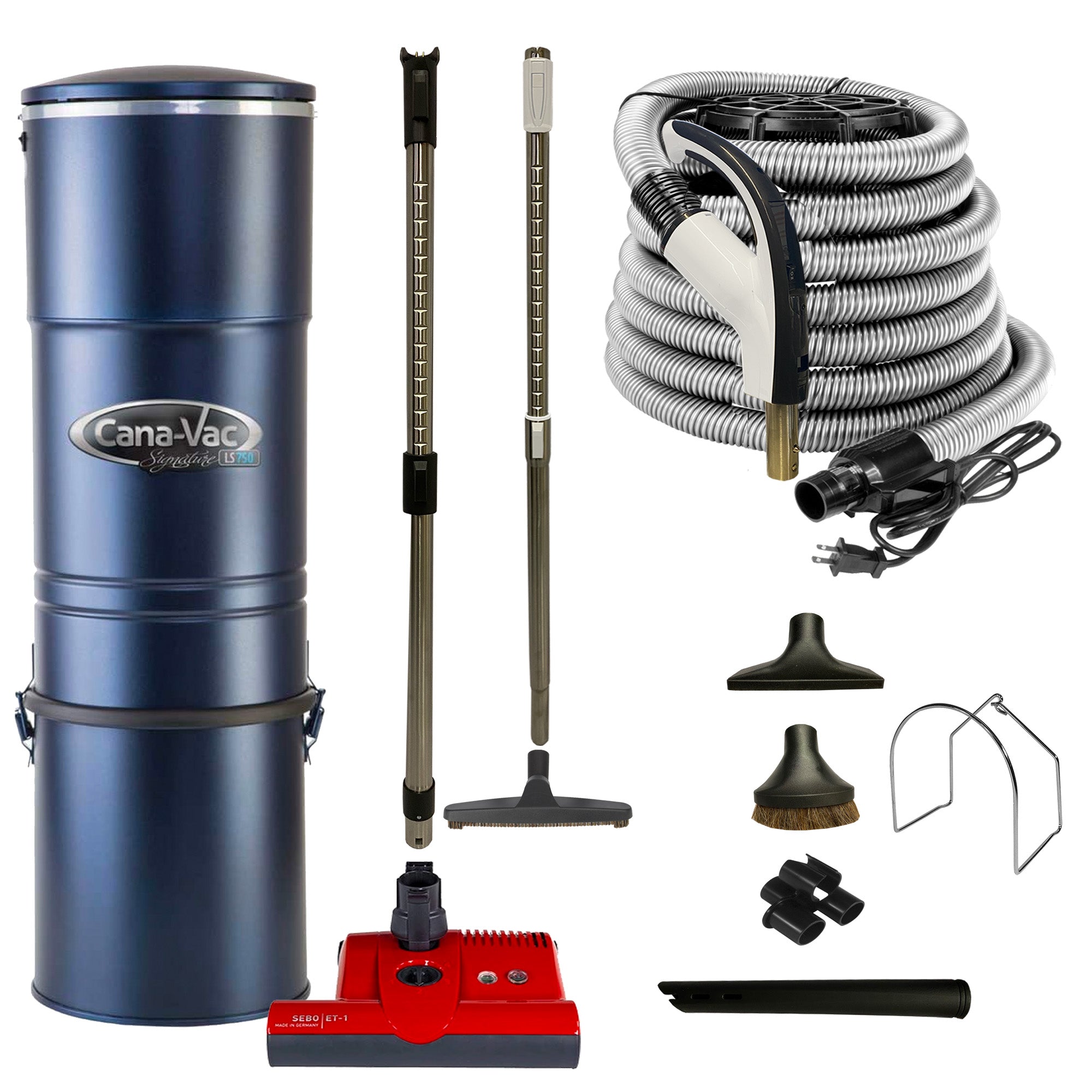

When to Replace Your Vacuum Cleaner Hose (2026 Guide)
Quick answer: Replace your vacuum hose if you notice cracks, splits, or holes; a drop in suction that persists after clearing blockages; whistling or hissing sounds during use; fraying or stiff, discolored material; or a connector that no longer stays attached. Most standard vacuum hoses on canister and upright models last 3–5 years with regular use, while higher-quality crush-proof central vacuum hoses can last 8–12 years with proper care. If your vacuum has lost noticeable suction and the filters and bag are already clean, the hose is the next place to check.
A weaker vacuum doesn't always mean it's time for a new machine. More often than not, the actual problem is a hose that's cracked, leaking air, or simply worn past its useful life—and it's a far cheaper fix than replacing the whole unit.
5 Signs Your Vacuum Hose Needs Replacing
1. Visible Damage
Cracks, splits, holes, and tears are the clearest signs. Even a small crack causes an air leak that reduces suction, and a hole lets debris escape mid-clean rather than reaching the bag or bin. If you can see damage, that's usually reason enough on its own.
2. Loss of Suction
A vacuum that's noticeably less effective at picking up debris often points to the hose rather than the motor. Suction loss typically comes from either a blockage restricting airflow or a leak letting air escape before it reaches the machine. Clear any obstructions first — if performance doesn't improve, the hose itself may be compromised.
3. Unusual Noises
Whistling or high-pitched sounds during use usually mean air is escaping through a small crack or hole. A hissing sound is a similar signal—both point to an air leak somewhere along the hose, even if there's no visible damage yet.
4. Wear and Tear
Fraying at the connection ends makes it harder to maintain a secure fit, while stiffness and discoloration are signs the material itself is aging and losing flexibility — often a precursor to cracking.
5. Frequent Detachment
If the hose keeps coming loose from the vacuum or a wall inlet, worn-out connectors or a misshapen hose end are usually to blame. Constantly having to reattach it isn't just annoying — it's a sign the hose is past the point where a secure, air-tight seal is possible.
How Long Should a Vacuum Hose Actually Last?
There's no single answer, since it depends heavily on hose type and usage. Standard hoses on canister and upright vacuums that see regular flexing, dragging, and daily use typically hold up for 3 to 5 years before performance starts to noticeably decline. Higher-quality, crush-proof central vacuum hoses—properly stored without sharp bends—can last considerably longer, often 8 to 12 years, since they're built with more durable materials and see less direct physical wear than a hose you're carrying room to room every day.
How to Choose the Right Replacement Hose
Compatibility. Confirm the new hose is designed for your specific vacuum brand and model, or verify a universal hose actually fits your connection type and diameter before ordering—a mismatch is the most common reason a "compatible" hose doesn't seal properly.
Material. Rubber hoses tend to be more durable and damage-resistant for heavy use, while plastic hoses are lighter and more flexible but generally less durable over time. The right choice depends on how often and how roughly the vacuum gets used.
Length and diameter. Measure your current hose before ordering, since standard sizes vary by brand and system. A hose that's too short limits reach; one that's too long drags and tangles more than necessary.
Special features. Anti-static hoses reduce dust cling, which matters most in workshops or homes with static-prone flooring. Crush-proof designs hold their shape better under accidental stepping or bending — a genuinely useful upgrade for busy households.
Brand and warranty. Check reviews for build quality, and favor a hose backed by a real warranty and accessible customer support in case of early failure.
How to Replace a Vacuum Hose
- Prepare. Unplug the vacuum first, and have a screwdriver on hand if your model requires one to detach the old hose.
- Remove the old hose. Detach it following your manufacturer's instructions, and check it for blockages before disposing of it—this can help confirm the hose, not the motor, was the actual issue.
- Install the new hose. Attach it securely, making sure every connection point is tight to avoid new air leaks.
- Test suction. Turn the vacuum on and confirm suction feels restored before considering the job done.
Maintenance Tips to Extend Hose Life
- Inspect periodically for early signs of cracking, fraying, or stiffness before they become full failures.
- Clean regularly by rinsing or blowing out the interior to prevent blockages from building up.
- Store without sharp bends — tight coiling or kinks are one of the fastest ways to shorten a hose's usable life.
Frequently Asked Questions
How often should I replace my vacuum cleaner hose? Most standard vacuum hoses need replacing every 3 to 5 years with regular use, though higher-quality central vacuum hoses can last 8 to 12 years with proper care and storage.
Can I use any hose with my vacuum cleaner? No — always confirm compatibility with your specific make and model first. Universal hoses exist and can work well, but double-check diameter and connection type before ordering.
What's the best material for a vacuum cleaner hose? Rubber hoses generally offer more durability for heavy daily use, while plastic hoses trade some durability for lighter weight and flexibility.
Are there hoses with special features for pet hair? Anti-static hoses help reduce dust and hair cling along the interior, and crush-proof designs hold up better under the extra wear that comes with a busy, pet-friendly household.
Find the Right Replacement Hose
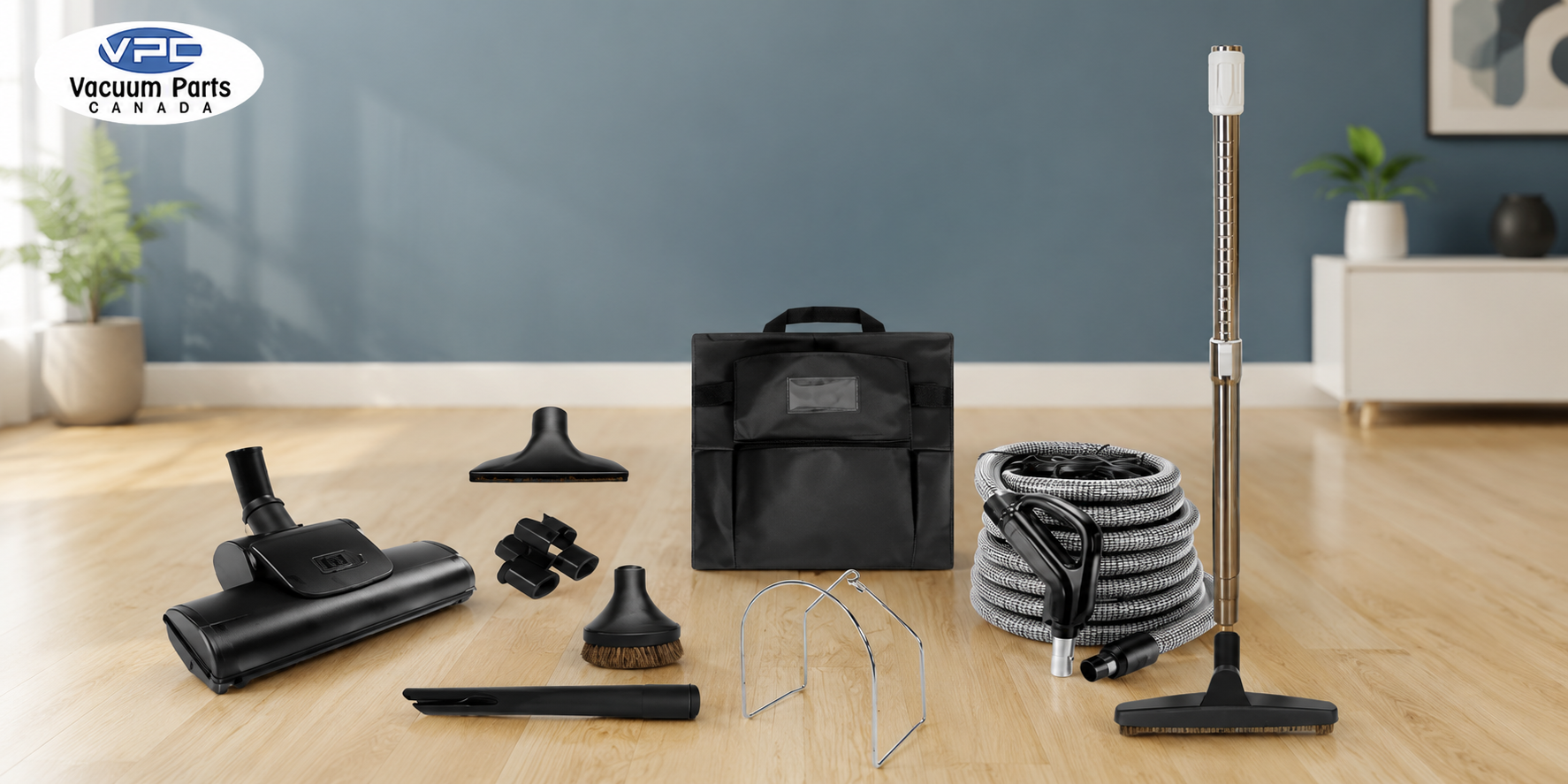
A worn or leaking hose is one of the most common — and most fixable — causes of a vacuum that's lost its punch. Browse vacuum hoses and accessories at Vacuum Parts Canada, or contact our team with your vacuum's model to confirm the right fit before you order.

Leave a comment
This site is protected by hCaptcha and the hCaptcha Privacy Policy and Terms of Service apply.