
Central Vacuum Systems in 2026: The Complete Guide to Parts, Function, and Benefits
Quick answer: A central vacuum system removes dust and debris from your home through a network of in-wall pipes connected to a powerful motor and canister installed in a garage, basement, or utility room. Instead of pushing a bulky unit room to room, you simply plug a lightweight hose into a wall inlet. The result is quieter, stronger suction and cleaner indoor air than a portable vacuum can offer — and in 2026, smarter filtration and app-connected diagnostics have made these systems more efficient than ever.
What Is a Central Vacuum System?
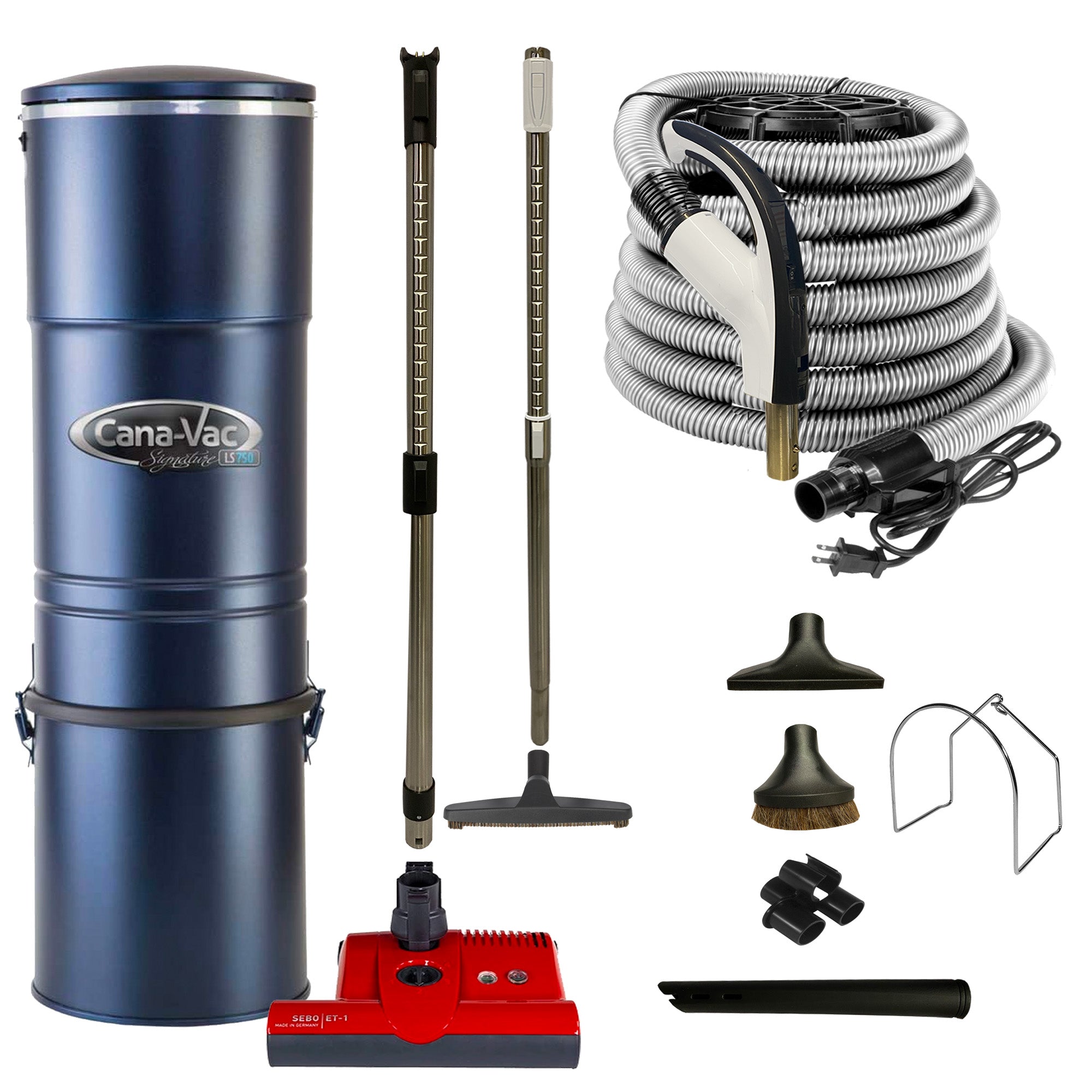
A central vacuum system is a whole-home cleaning setup with two parts: a fixed power unit that stays out of sight and a network of inlet valves built into the walls or floors. When you connect a hose to any inlet, the system activates and pulls debris through the piping to a canister located elsewhere in the house — usually 50 to 75 feet away. Because the motor and dirt bin never enter the living space, central vacuums run far quieter than portable models and are widely recommended for allergy and asthma sufferers.
The Core Components (And What Each One Does)
1. The Power Unit
This is the system's engine room, and it contains three key parts:
- Vacuum motor — Generates suction strength, typically measured in air watts. Larger homes need higher-capacity motors to maintain performance across long pipe runs.
- Canister housing — Collects dirt and debris. Most 2026 models use a cyclonic separation chamber that reduces how often filters need cleaning.
- Filtration system — HEPA and HEPA-13 filtration is now the standard expectation rather than a premium add-on, capturing fine particles like pet dander, pollen, and dust mite debris before exhaust air leaves the home.
- Exhaust vent — Releases filtered air outside, keeping recirculated dust out of your living space.
2. The Pipe Network
Rigid PVC piping runs invisibly through walls, ceilings, or floors, linking every inlet back to the power unit. Pipe diameter and routing directly affect suction consistency, which is why professional layout design matters more than most homeowners realize.
- Inlet valves — Wall-mounted connection points, usually placed every 30–35 feet so any room in the house is reachable with a standard hose length.
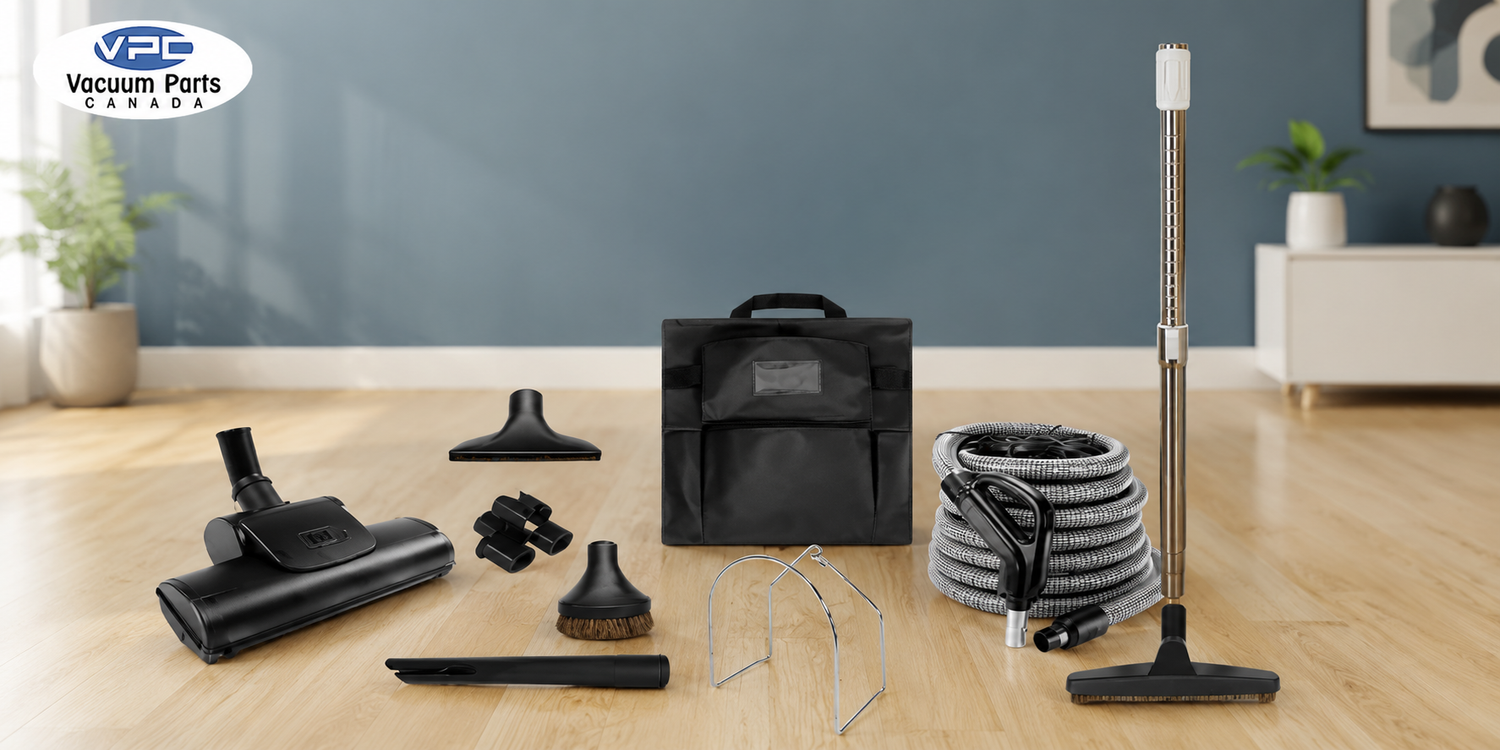
- Vacuum hose — Connects to the inlet and carries debris to the piping. Modern hoses range from 30 to 50 feet, with low-voltage models that let you turn the system on and off from the hose handle itself.
3. Cleaning Attachments
- Floor tools — Motorized brush heads for carpet, flat glide heads for hardwood, tile, and laminate.
- Upholstery and dusting tools — Soft-bristle brushes for furniture, mattresses, and delicate surfaces.
- Crevice tools — Narrow heads for baseboards, corners, and tight gaps.
- Specialty kits — Car interior kits, garage/workshop attachments, and pet-hair-specific tools have all expanded in the current product lineup.
What's New in Central Vacuum Technology for 2026
- Smart diagnostics — Many new units now include sensors that alert homeowners (often via an app or an indicator light) when the canister is full or a filter needs attention, cutting down on maintenance guesswork.
- Higher-efficiency filtration — HEPA-13 media, once reserved for high-end medical or industrial filtration, is now common in mid-range residential systems.
- Quieter motor engineering — Sound-dampening housings have pushed operating noise even lower than earlier generations, which were already quieter than portable vacuums.
- Retrofit-friendly installation — Improved low-profile piping and inlet kits have made it more practical to add a central vacuum to existing homes, not just new builds.
Why Homeowners Choose Central Vacuum Over Portable Vacuums
| Factor | Central Vacuum | Portable Vacuum |
|---|---|---|
| Noise level | Low — motor is remote | High — motor is in the room |
| Suction power | Strong and consistent | Limited by portable motor size |
| Air quality | Debris and exhaust leave the living space | Fine dust can recirculate indoors |
| Maintenance | Empty canister occasionally | Empty/replace bags or bins frequently |
| Home value | Often seen as a desirable upgrade | Not a fixed home feature |
How Long Do Central Vacuum Systems Last?
With regular maintenance, a well-installed central vacuum system can run reliably for 15 to 20 years or more. The motor is the component most likely to need eventual replacement, while PVC piping typically outlasts the rest of the system entirely.
Maintenance Checklist
- Empty the dirt canister when it's roughly two-thirds full — don't wait until it's overflowing, as this reduces suction.
- Check and rinse or replace filters according to the manufacturer's schedule.
- Inspect the hose for cracks or clogs every few months.
- Have a technician inspect the motor and piping every few years, especially in high-use households.
Frequently Asked Questions
Is a central vacuum system worth it in 2026? Yes, for most homeowners who value quieter operation, stronger suction, and better indoor air quality. It's a longer-term investment than a portable vacuum but typically lasts far longer and requires less frequent part replacement.
Can central vacuum systems be installed in an existing home? Yes. While installation is easiest during new construction, retrofit kits and low-profile piping now make it feasible to add a system to most existing homes.
Do central vacuums help with allergies? Yes. Because the motor and collected debris are stored away from living areas, and HEPA-grade filtration traps fine particles before exhaust air is released, central vacuums are commonly recommended for allergy and asthma sufferers.
How often should filters be replaced? This varies by model and household, but most manufacturers recommend inspecting filters every one to three months and replacing or washing them as needed.
What's the difference between HEPA and HEPA-13 filtration? Standard HEPA filters capture at least 99.97% of particles as small as 0.3 microns. HEPA-13 filters meet a stricter, medical-grade standard for capturing ultra-fine particles, offering an extra layer of filtration for allergy-sensitive households.
Find Central Vacuum Parts and Support in Canada
Whether you need a replacement motor, a new hose, filtration upgrades, or attachments for a specific cleaning task, Vacuum Parts Canada stocks a wide range of central vacuum parts and offers guidance to help you keep your system running at full strength. Contact us today to find the right parts for your home.

Leave a comment
This site is protected by hCaptcha and the hCaptcha Privacy Policy and Terms of Service apply.