How to Choose, Use, and Maintain Your Central Vacuum Powerhead in Canada?
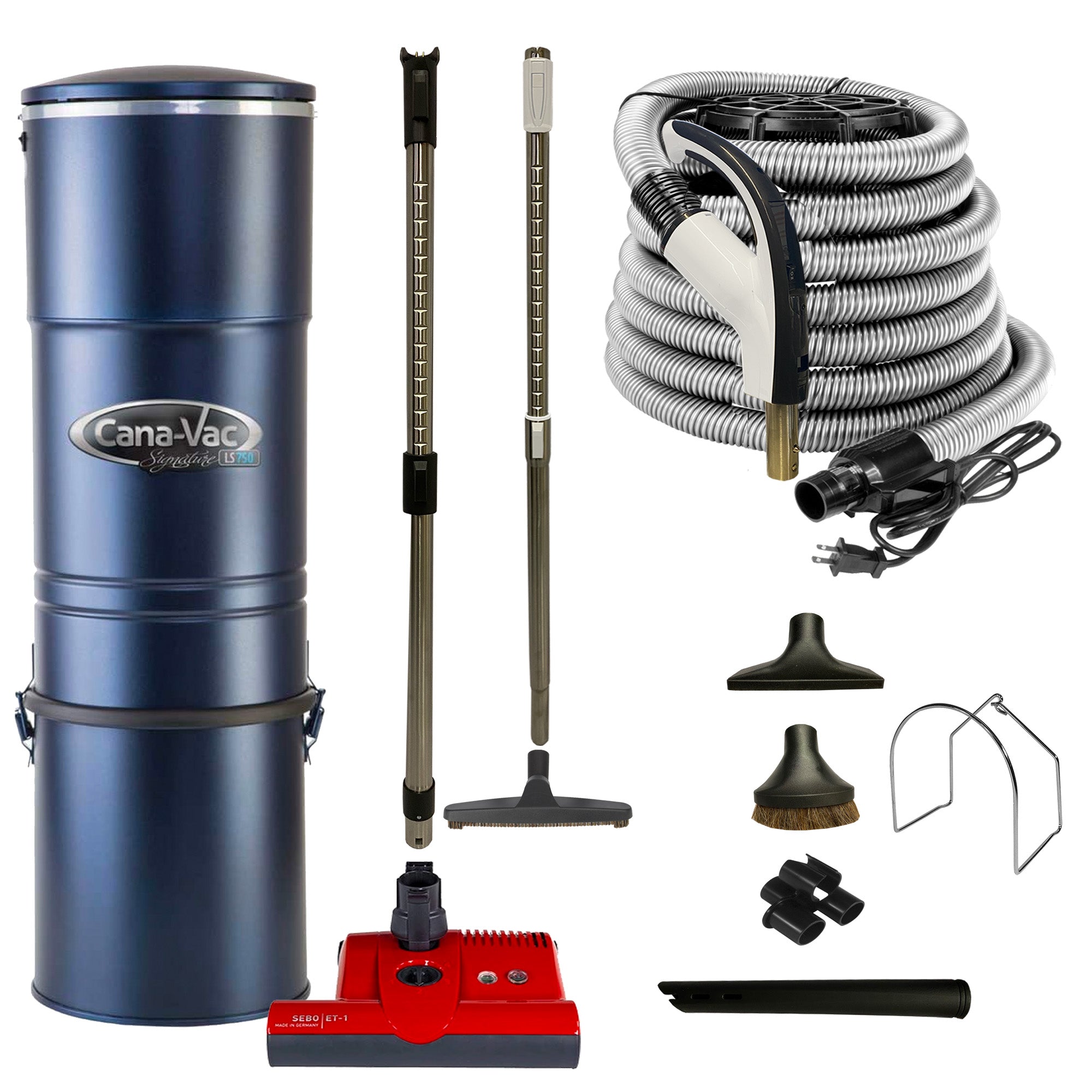
The central vacuum powerhead is the floor tool that contains the motorized brushroll responsible for agitating carpet fibers and lifting embedded debris. It connects to your central vacuum system via a hose and is available in electric (low-voltage or 120V) or air-turbine configurations. Choosing the wrong powerhead—or running a worn one—directly reduces cleaning efficiency and can strain your central vac motor.
Whether you're in Calgary, Toronto, Vancouver, or Halifax, this guide covers powerhead selection, compatibility, maintenance, and where to find genuine replacement parts across Canada.
What Is a Central Vacuum Powerhead?
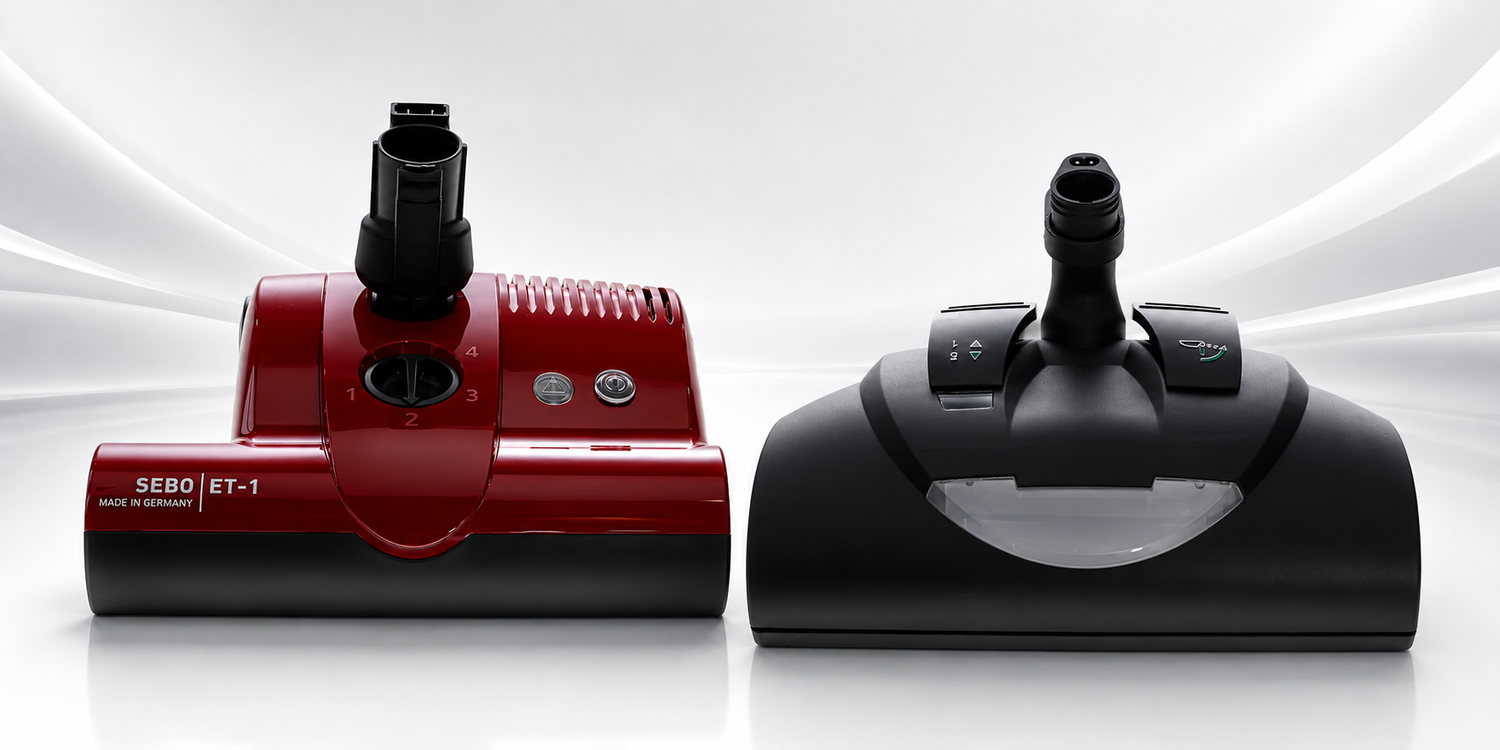
A central vacuum powerhead (also called a power nozzle or floor head) is a motorized attachment that connects to your central vacuum hose and drives a rotating brushroll across carpet and hard floors. Unlike a standard suction-only floor brush, a powerhead mechanically agitates the carpet pile, loosening embedded dirt, pet hair, and allergens before the suction removes them.
There are two primary drive mechanisms:
- Electric Powerheads: Powered through low-voltage wires in the hose or via 120V current. Deliver consistent, controllable brushroll speed. Preferred for medium-to-heavy carpet.
- Air-Turbine Powerheads: Driven by airflow from the central vac motor—no electrical connection required. Less consistent on thick carpet, but excellent for lightweight cleaning and hard floors.
Electric vs. Turbine Powerhead: Which One Do You Actually Need?
This is the question that drives most purchasing decisions—and gets answered wrong most often.
Electric Powerheads
- Best for: Wall-to-wall carpet, high-pile rugs, pet hair, homes with mixed flooring
- Requires low-voltage wiring in hose + pigtail connection, or 120V hose
- Brushroll speed: Consistent regardless of suction level
- Common Canadian brands: Cyclo Vac, MD, Wessel-Werk, Sebo, Lindhaus
Air-Turbine Powerheads
- Best for: Hard floors, area rugs, light-duty carpet in cottages or secondary spaces
- Requires: Only suction—no special hose wiring
- Brushroll speed: Varies with airflow; drops if filters are dirty or hose is kinked
- Common use case: Budget-friendly upgrade for older systems that lack low-voltage wiring
Rule of thumb: If you have wall-to-wall broadloom or own pets, invest in an electric powerhead. The consistent brushroll RPM makes a measurable difference in pet hair and allergen removal.
Central Vacuum Powerhead Compatibility: What Canadians Get Wrong
The single biggest mistake is assuming any powerhead fits any central vac system.
Compatibility depends on four factors:
- Hose type—Low-voltage hoses have two thin wires running through them. Non-low-voltage hoses (suction-only) can only run turbine powerheads.
- Connector style—The hose-to-powerhead connection (pigtail vs. on/off switch styles) varies by manufacturer.
- Voltage rating—Some powerheads are 120V (North American standard); others are dual-voltage. Canadian homes are 120V—verify before buying.
- Inlet valve compatibility—The type of inlet valve (standard vs. electric) must support low-voltage signal pass-through for electric powerheads.
Compatibility by Common Canadian Central Vacuum Brands
| Brand | Compatible Powerhead Types | Notes |
|---|---|---|
| Beam | Electric (low-voltage), turbine | Beam-branded and aftermarket both work |
| Vacuflo | Electric (low-voltage), turbine | Pigtail connection standard |
| DrainVac | Electric, turbine | Wide third-party compatibility |
| MD Central Vac | Electric (low-voltage) | Check hose wiring before purchasing |
| Cyclo Vac | Electric (low-voltage), turbine | Proprietary and universal options available |
| NuTone | Electric, turbine | Most use standard low-voltage hose |
How to Identify Your Central Vacuum Powerhead Model
Before ordering any replacement powerhead or parts, identify your existing model. Here's how:
- Check the label on the powerhead body—most manufacturers stamp the model number on the underside or near the brushroll access cover.
- Check the hose connection end—some models are identified by connector type rather than body label.
- Look up the central vac unit serial number — The unit installed in your garage or utility room will have a data plate; the manufacturer can cross-reference compatible powerheads.
- Contact Vacuum Parts Canada—If the label is worn, the team at Vacuum Parts Canada can identify the unit from photos or a description of the connector and body shape.
Central Vacuum Powerhead Parts: What Wears Out and When
A powerhead has several wear components. Proactive replacement prevents motor burnout and floor damage.
Brushroll (Agitator Roll)
- Replacement interval: Every 2–3 years under normal use; annually in homes with pets
- Signs it's worn: Bristles flattened, threads and hair tangled around the roll, cleaning performance visibly declining
- DIY difficulty: Low—most brush rolls pop out with a quarter-turn or by releasing two clips
Drive Belt
- Replacement interval: Every 12–18 months
- Signs it's worn: Burning rubber smell during operation, brushroll not spinning, squealing noise
- DIY difficulty: Low—access through brush roll cover, no tools required on most models
Powerhead Motor (Electric Models)
- Replacement interval: As needed; typically 8–15 years
- Signs it's failing: intermittent brush roll operation, hum without rotation, sparking at the connector
- DIY difficulty: Moderate—requires disassembly and connector testing
Height Adjustment Mechanism
- Replacement interval: As needed
- Signs it's failing: Powerhead sits too low (burning carpet) or too high (ineffective)
- DIY difficulty: Low to moderate
Swivel Neck / Elbow Joint
- Replacement interval: As needed
- Signs it's failing: Air leak at the joint, restricted steering, cracked plastic
- DIY difficulty: Low
Step-by-Step: How to Replace a Central Vacuum Powerhead Belt
A worn belt is the most common reason a powerhead brushroll stops spinning.
Here's how to replace it in under 10 minutes:
- Unplug the hose from the inlet valve before starting any work.
- Flip the powerhead upside down and locate the brushroll access cover (usually held by two quarter-turn fasteners or clips).
- Remove the brushroll by lifting it straight out or sliding it sideways, depending on the model.
- Inspect the old belt—it will be stretched, cracked, or broken.
- Thread the new belt around the brushroll first, then stretch it over the motor spindle.
- Reinstall the brushroll, ensuring both ends seat into their bearing slots.
- Replace the cover and reconnect the hose.
- Test on carpet—the brush roll should spin within 2–3 seconds of activation.
Use only OEM or manufacturer-spec belts. Off-brand belts often stretch faster, reducing brushroll tension after just a few uses.
How to Troubleshoot a Central Vacuum Powerhead That Isn't Working
Run through this diagnostic sequence before ordering parts:
Brushroll Not Spinning
- Check belt—replace if stretched or broken
- Check for hair/thread wrapped around bearings at each end of the brush roll.
- On electric models: test the hose's low-voltage signal with a multimeter at the pigtail
- Check brush roll height—if it's set too high, it may not engage carpet
Powerhead Motor Not Turning On
- Test the hose pigtail connection—intermittent contact is common after years of flexing
- Check inlet valve—some electric valves fail to pass the low-voltage signal
- Test with a different hose if available
Burning Smell from Powerhead
- Hair or debris wrapped around the brushroll (most common cause)
- Belt slipping due to wear—replace immediately
- Motor failure—contact Vacuum Parts Canada for a motor replacement quote
Powerhead Leaving Marks on Carpet
- Height set too low—adjust the height selector to a higher position
- Brushroll bristles worn down unevenly—replace the brushroll
Loss of Suction at the Powerhead
- Check for blockage in the powerhead elbow or swivel joint
- Check for cracked housing—hairline cracks cause significant air leaks
- Verify the hose connection is fully seated at both ends
Buying a Replacement Central Vacuum Powerhead in Canada
Several factors determine whether you replace the entire powerhead unit or just its components.
Replace the Whole Powerhead When:
- The motor has failed and replacement motor cost exceeds 60% of a new powerhead
- The housing is cracked at a structural point, causing persistent air leaks
- The powerhead is more than 10 years old and multiple components need replacement simultaneously
Replace Parts Only When:
- The motor functions, but the belt, brush roll, or height adjuster is worn
- The swivel joint is damaged but the power unit is in good condition
- You own a premium powerhead (Sebo, Wessel-Werk, Lindhaus) where the base unit cost is significantly higher than individual parts
What to Expect to Pay in Canada (2025)
- Replacement belt: $8–$20 CAD
- Replacement brushroll/agitator: $25–$75 CAD
- Complete powerhead (mid-range): $150–$350 CAD
- Complete powerhead (premium): $350–$700+ CAD
Vacuum Parts Canada (vacuumpartscanada.ca) ships genuine replacement powerheads and parts across Canada—including to Alberta, British Columbia, Ontario, Quebec, Manitoba, Saskatchewan, Nova Scotia, New Brunswick, Prince Edward Island, Newfoundland, and the territories.
Best Central Vacuum Powerheads Available in Canada
These powerheads consistently perform well across Canadian home configurations and are supported by readily available parts:
Wessel-Werk EBK360
- Drive type: Electric (low-voltage)
- Best for: Mixed flooring (carpet + hard floor)
- Floor sensor: Automatic height adjustment
- Why it stands out: German engineering, low noise profile, wide head for faster coverage
Sebo ET-1 / ET-2
- Drive type: Electric (low-voltage)
- Best for: High-pile carpet, allergy-sensitive households
- Floor sensor: Manual height with soft-start brushroll
- Why it stands out: One of the most repairable powerheads on the market; parts available for 10+ years
Cyclo Vac H935
- Drive type: Electric (low-voltage)
- Best for: Canadian-market Cyclo Vac systems
- Why it stands out: Canadian brand with strong dealer network; designed for Canadian floor types, including engineered hardwood
MD DS5500 Series
- Drive type: Electric (low-voltage)
- Best for: MD central vacuum systems; compatible with most low-voltage hoses
- Why it stands out: Reliable mid-range option widely available through Canadian dealers
Plastiflex Turbine Head
- Drive type: Air-turbine
- Best for: Suction-only hose setups, hard floors, cottages
- Why it stands out: No electrical components to fail; entry-level pricing
Central Vacuum Powerhead Maintenance: Annual Checklist
Run this checklist once per year to maximize powerhead lifespan:
- Remove and clean the brush roll—cut away all hair and thread with scissors
- Inspect belt tension and condition—replace if stretched or cracked
- Check bearing ends of brush roll for wear or debris buildup
- Test height adjustment at all settings—confirm it locks correctly
- Inspect swivel neck for hairline cracks or wobble
- Wipe down exterior housing and clear any debris from the suction intake port
- Test brush roll spin by hand—it should rotate freely with no resistance
- Reconnect hose and confirm low-voltage signal activates the brush roll within 2–3 seconds
Where to Buy Central Vacuum Powerhead Parts in Canada
For Canadian homeowners, sourcing genuine OEM or high-quality aftermarket parts is easier than it was five years ago—but brand-specific parts still require a reliable supplier.
Vacuum Parts Canada stocks powerheads, brushrolls, belts, motors, hoses, and accessories for all major central vacuum brands sold in Canada. Orders ship nationally with tracked delivery.
The product catalog covers:
- Beam central vacuum powerhead parts
- Vacuflo powerhead accessories
- DrainVac replacement components
- MD and Cyclo Vac brushrolls and belts
- Universal turbine powerhead assemblies
- Low-voltage hose upgrades for electric powerhead compatibility
If you're unsure which part fits your system, the Vacuum Parts Canada team can cross-reference your model number and confirm compatibility before you order.
Frequently Asked Questions: Central Vacuum Powerhead
Can I use any powerhead with my central vacuum system? No. Powerhead compatibility depends on your hose type (low-voltage vs. suction-only), connector style, and the voltage requirements of the powerhead motor. Always verify hose and inlet valve compatibility before purchasing.
How long should a central vacuum powerhead last? A quality electric powerhead lasts 10–15 years with annual belt and brushroll maintenance. Turbine powerheads have fewer wear components and can last longer but deliver lower performance on carpet.
Why does my central vacuum powerhead smell like burning? The most common cause is hair or thread tangled around the brushroll bearings, creating friction. A worn belt slipping against the motor spindle is the second most common cause. In either case, stop use immediately and inspect.
Is it worth repairing a central vacuum powerhead or buying a new one? If the motor is functional and only wear parts (belt, brushroll, height adjuster) need replacement, repair is almost always the better financial decision. Replacement parts typically cost 10–25% of a new unit.
Do central vacuum powerheads work on hardwood floors? Yes, but the brushroll should be set to the highest height setting or switched off entirely on bare hardwood. Many modern electric powerheads include an automatic floor sensor that retracts the brushroll when transitioning from carpet to hard floors.
Where can I find central vacuum powerhead parts in Canada? Vacuum Parts Canada (vacuumpartscanada.ca) is a dedicated Canadian supplier with national shipping for all major brands and models.
Summary
A central vacuum powerhead is the highest-impact upgrade or maintenance point in any central vac system. The difference between a worn powerhead and a properly maintained one—or the wrong powerhead and the right one—is measurable in cleaning time, allergen removal, and floor condition over years of use.
For Canadian homeowners and installers sourcing parts or replacement powerheads, vacuumpartscanada.ca offers the most comprehensive catalog of central vacuum components with national shipping to every province and territory.
Published by Vacuum Parts Canada | vacuumpartscanada.ca | Serving homeowners and professionals across Canada

Leave a comment
This site is protected by hCaptcha and the hCaptcha Privacy Policy and Terms of Service apply.