Industrial Vacuum Systems: The Complete Canadian Buyer's Guide (2026)
Table of Contents
- What Are Industrial Vacuum Systems?
- Types of Industrial Vacuum Systems
- Key Benefits for Canadian Businesses
- Top Brands Available in Canada
- How to Choose the Right System
- Maintenance Tips & Replacement Parts
- Why Shop at Vacuum Parts Canada
- Frequently Asked Questions
Introduction
Whether you manage a manufacturing plant, a food-processing facility, a hospital, or a large commercial property, keeping your workplace clean is not just a matter of appearances — it is a safety requirement, a regulatory obligation, and a direct driver of operational efficiency.
Ordinary shop vacs and consumer-grade vacuums simply are not engineered for environments where debris is heavy, continuous, or hazardous. That is precisely where industrial vacuum systems earn their place. Built for relentless duty cycles and designed to handle everything from fine dust particles to liquid spills and bulky debris, these machines are the backbone of clean, safe, and compliant Canadian workplaces.
In this guide, we break down everything you need to know before investing in an industrial vacuum system — from the different types on the market to top brands carried by Vacuum Parts Canada, maintenance best practices, and how to match the right machine to your specific needs.
1. What Are Industrial Vacuum Systems?
Industrial vacuum systems are high-capacity, heavy-duty cleaning machines designed for use in demanding commercial, industrial, and institutional environments. Unlike residential or light commercial vacuums, industrial-grade units are built to run for extended periods — sometimes continuously — while handling larger volumes of debris, liquid, or hazardous material.
The defining characteristics of a true industrial vacuum system include a powerful motor (often ranging from 3 HP to 17 HP or more), a high-capacity collection chamber, reinforced filtration capable of capturing fine particulates, and construction materials robust enough to withstand harsh workshop and production-floor conditions.
Quick distinction: A commercial vacuum is designed for frequent use in offices, hotels, and retail spaces. An industrial vacuum is engineered specifically for factories, warehouses, construction sites, food plants, and other environments where performance demands are significantly higher.
Industrial vacuum systems can be portable units, backpack-mounted vacuums, or permanently installed central vacuum networks that serve an entire facility through a built-in piping infrastructure. Central industrial systems in particular have become increasingly popular in Canadian manufacturing and food-processing plants because they eliminate the need to wheel portable equipment from zone to zone — suction is always available at every inlet valve.
2. Types of Industrial Vacuum Systems
Choosing the right type starts with understanding the different categories available and what each is built to handle.
Industrial Central Vacuum Systems
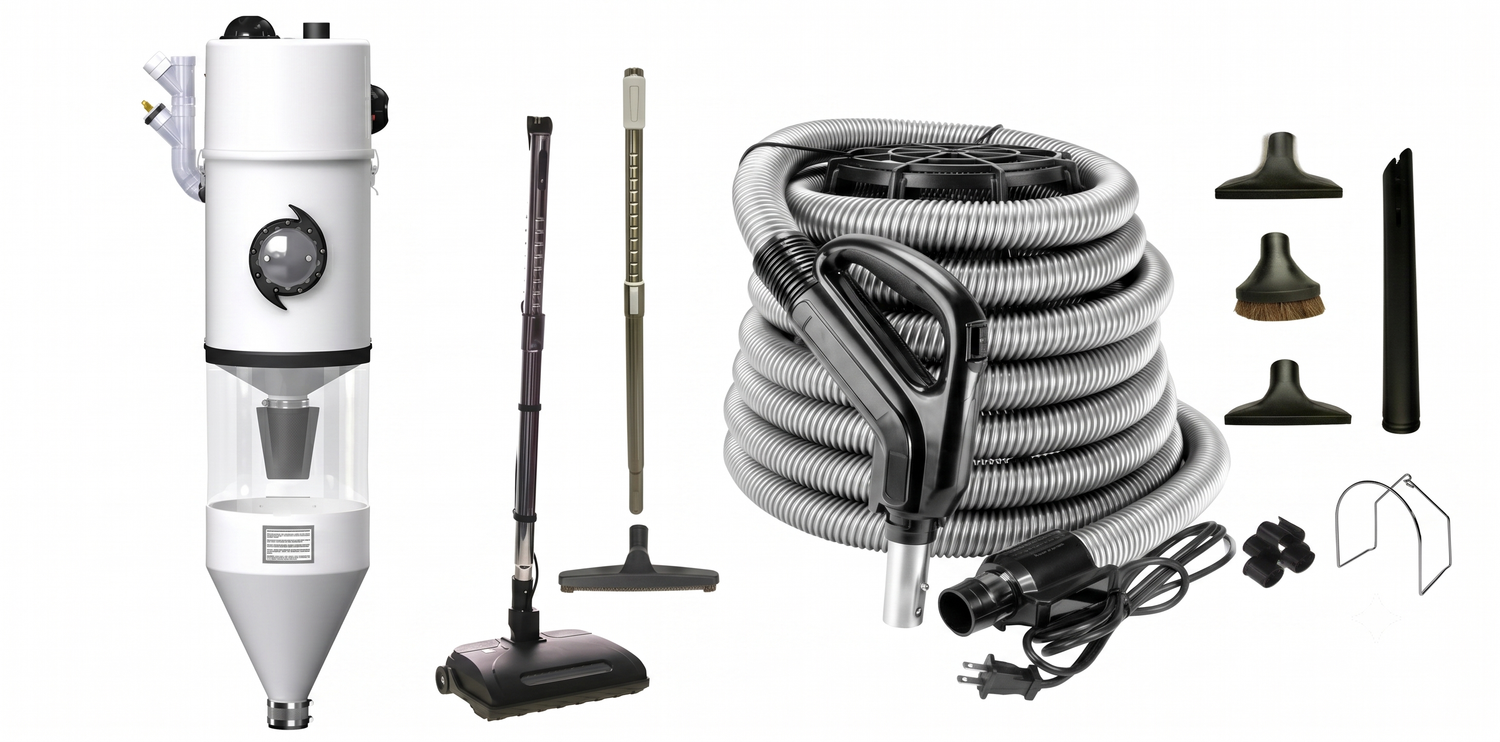
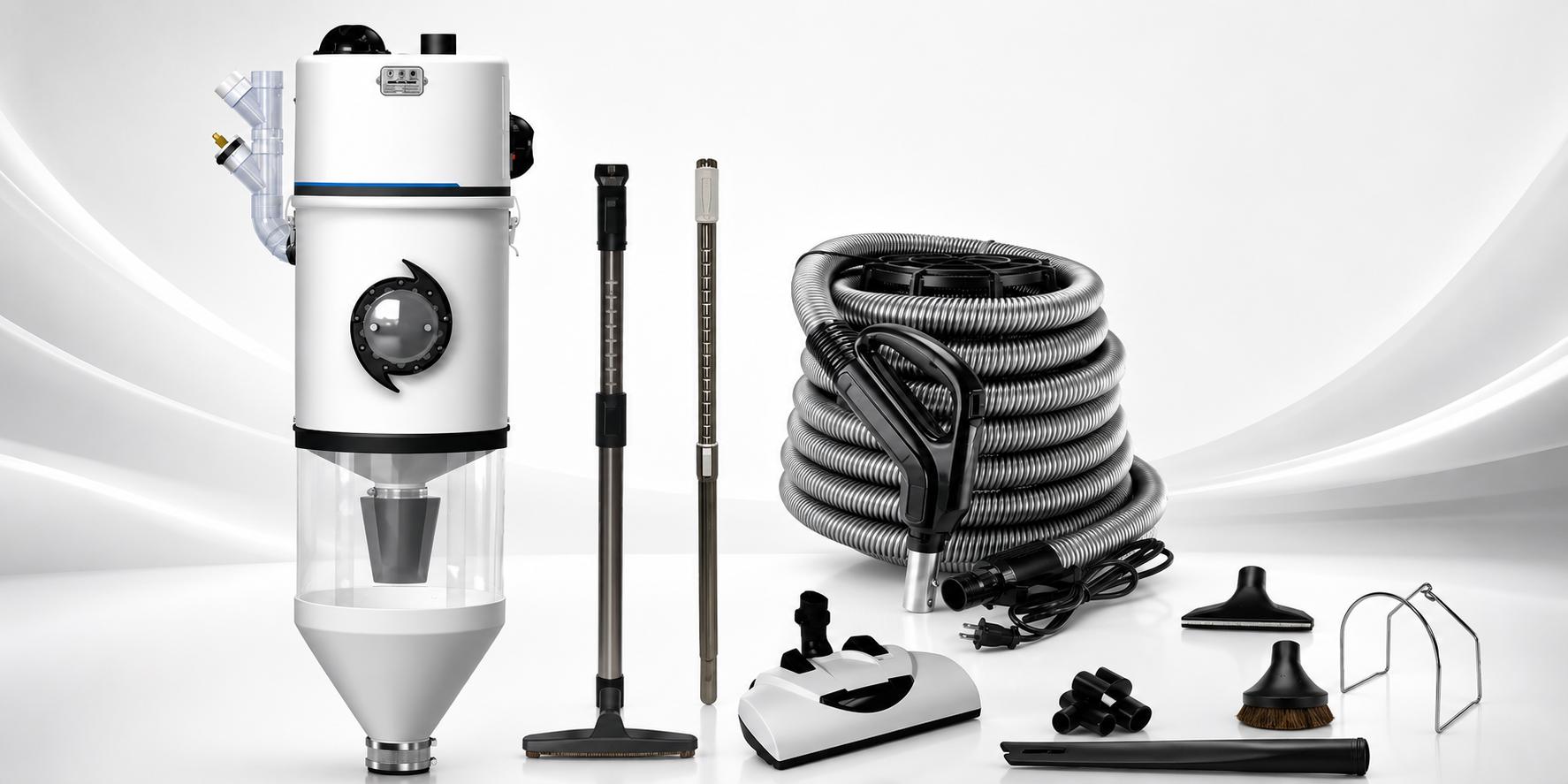
A central industrial vacuum system houses the motor and collection unit in one fixed location — a mechanical room or utility area — and distributes suction through a network of PVC or steel piping to inlet valves throughout the facility. Workers simply connect a hose at the nearest inlet to vacuum their area immediately.
The leading example available at Vacuum Parts Canada is the DrainVac DV2A684 Automatik, a commercial-grade wet/dry central vacuum system featuring a REGEN 17 HP motor and self-flushing separators. Systems like this are ideal for facilities dealing with liquid waste, fine dust, or both simultaneously.
Wet/Dry Industrial Vacuums
Wet/dry industrial vacuums are among the most versatile machines in the category. They handle dry debris — sawdust, metal filings, granular materials — and liquid waste such as coolant, water, and oil spills interchangeably. Most industrial wet/dry models come with large-capacity tanks, often 50 to 100+ litres, to reduce emptying frequency on busy production floors.
Commercial Backpack Vacuums
For janitorial teams that need to cover large floor areas quickly, industrial-grade backpack vacuums offer exceptional maneuverability without sacrificing suction power. Worn on the operator's back, these units free up both hands for cleaning tools and attachments, making them ideal for schools, hospitals, arenas, and office complexes.
Commercial Canister & Upright Vacuums
Heavy-duty commercial canister and upright models bridge the gap between light commercial and full industrial use. Brands like Nilfisk and Numatic Henry have built their reputations in this segment, offering machines that withstand the rigours of daily multi-shift cleaning operations in hotels, schools, and retail environments.
3. Key Benefits for Canadian Businesses
Upgrading to a professional industrial vacuum system is not simply a cleaning decision — it has measurable impacts on health, safety, compliance, and your bottom line.
Improved Air Quality & Worker Health
Fine dust particles, allergens, and airborne contaminants are a well-documented source of occupational illness in Canada. Industrial vacuum systems equipped with HEPA-rated filters capture particles as small as 0.3 microns, dramatically reducing airborne contaminants in the workspace. This directly supports compliance with Occupational Health and Safety (OHS) standards across Canadian provinces.
Reduced Downtime and Maintenance Costs
When equipment, floors, and work surfaces are kept clear of debris, machinery runs cooler and longer. Poor dust management consistently leads to increased wear on equipment motors, bearings, and cooling systems. A robust industrial vacuum solution pays for itself through reduced machine downtime and extended asset lifespan.
Regulatory Compliance
Food processing facilities, pharmaceutical manufacturers, and healthcare institutions operating in Canada face stringent cleanliness regulations. Industrial central vacuum systems — particularly wet/dry models with hygienic self-flushing capabilities — are designed to meet and exceed these standards, reducing audit risk and liability exposure.
Productivity and Efficiency
A central industrial vacuum network eliminates the time workers spend retrieving, setting up, and storing portable vacuum equipment. With suction available at every inlet valve, cleanup is immediate and continuous — keeping production lines moving and reducing cumulative time lost to housekeeping throughout the workday.
4. Top Brands Available in Canada
Vacuum Parts Canada carries a carefully curated selection of industrial and commercial vacuum brands — each chosen for performance reliability, parts availability, and suitability for the Canadian market.
DrainVac — Heavy-Duty Industrial Central Vacuum
DrainVac specializes in industrial and commercial central vacuum systems with a focus on wet/dry capability and self-flushing technology. Their flagship Automatik series uses powerful regenerative blower motors and automated separator flushing to handle liquid-heavy environments without manual emptying. These systems are the go-to choice for food processing plants, automotive facilities, and industrial kitchens across Canada.
Nilfisk — Professional Industrial Performance
A global leader in professional cleaning equipment, Nilfisk offers a broad portfolio spanning industrial dry vacuums, explosion-proof units for hazardous environments, and high-filtration HEPA models for critical cleanliness applications. Their build quality and service network make Nilfisk a trusted choice in Canadian industrial settings.
Numatic (Henry) — Rugged Commercial Workhorses
The iconic Numatic Henry range has earned a global reputation for near-indestructible build quality and consistently strong suction. Commercial Henry models are popular in Canadian schools, hospitals, and facilities management companies for their simplicity, durability, and low total cost of ownership.
Cana-Vac & Air Stream — Central Vacuum Specialists
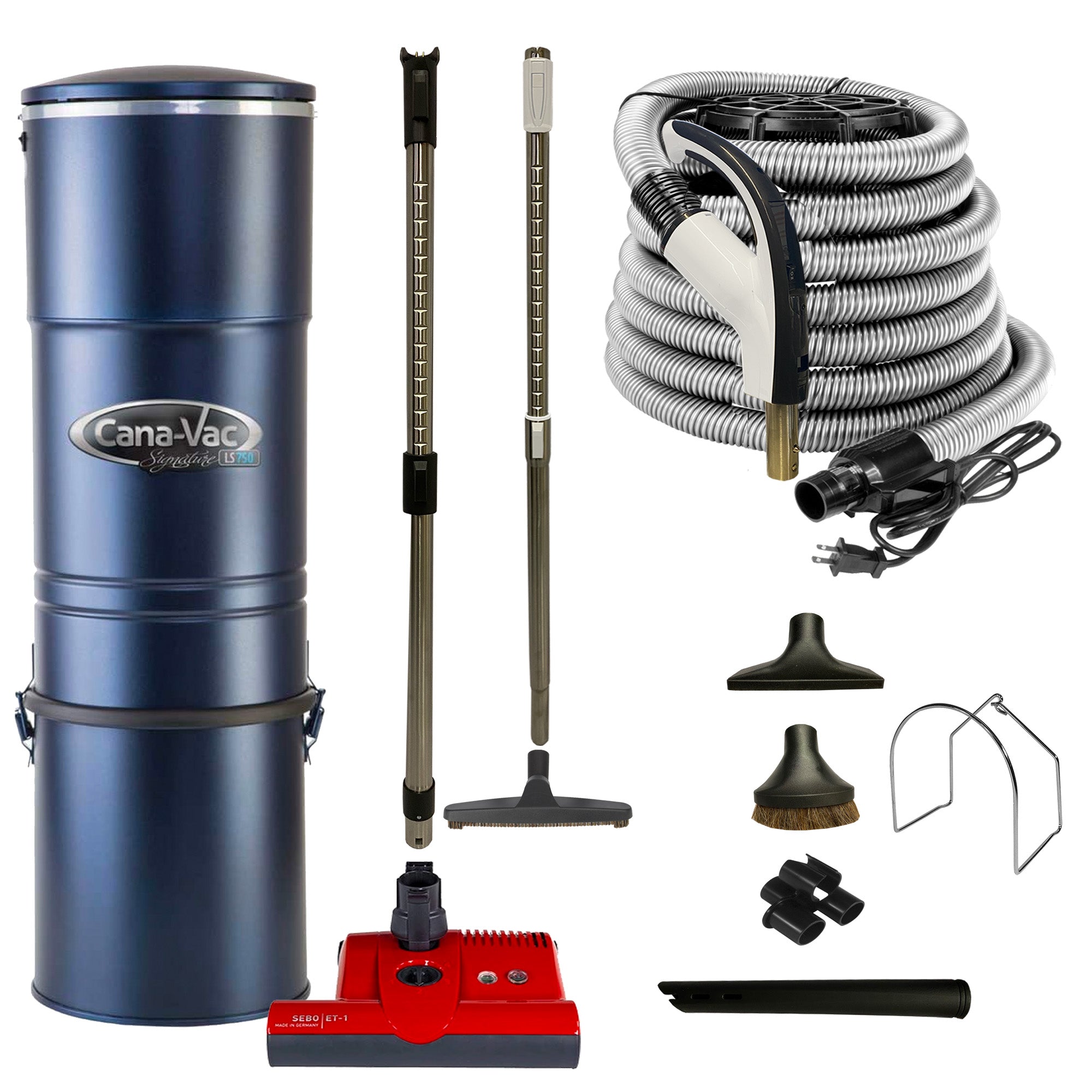
For central vacuum installations in large residential, commercial, and light industrial properties, Cana-Vac and Air Stream offer dependable Canadian-market power units, hoses, and accessory packages — all fully supported through Vacuum Parts Canada with a wide range of replacement parts.
5. How to Choose the Right Industrial Vacuum System
Choosing the right system requires evaluating several critical factors before you buy.
Motor Power: Match horsepower to your facility size and debris volume. Underpowered motors wear quickly; oversized units waste energy. A single-motor unit in the 7–10 HP range typically serves facilities up to approximately 15,000 square feet. Larger plants or those with heavier debris loads benefit from multi-motor configurations or high-power regenerative blower systems.
Wet vs. Dry vs. Both: Assess whether liquid waste is present in your facility. Wet/dry units cost more but eliminate the need for two separate machines.
Filtration Level: Determine whether you need standard filtration, HEPA certification, or an explosion-proof rating. This is critical for regulatory compliance and worker health in your specific sector.
Portable vs. Central: Smaller facilities can be well-served by portable industrial vacuums. Multi-zone operations — where cleaning needs exist in many areas simultaneously — almost always benefit more from a central vacuum network.
Parts Availability: This point is often overlooked until something breaks. Always verify that replacement motors, filters, hoses, and wear parts are readily available in Canada. Vacuum Parts Canada maintains deep inventory across all major brands they carry, which significantly reduces repair delays.
Pro Tip: Do not size your industrial vacuum system solely for current needs. Factor in business growth and facility expansion. Choosing a slightly larger system today is almost always more cost-effective than retrofitting later.
6. Maintenance Tips & Replacement Parts
Even the most robust industrial vacuum system will underperform — or fail prematurely — without consistent maintenance. Most of it is straightforward and can be handled in-house with the right parts on hand.
- Inspect and replace vacuum bags or empty canisters before they reach 75% capacity to avoid suction loss.
- Clean or replace HEPA and pre-motor filters every 3–6 months depending on usage intensity.
- Check hoses and fittings monthly for cracks, kinks, or air leaks that reduce suction efficiency.
- Lubricate motor bearings annually per manufacturer recommendations to extend motor life.
- For wet/dry systems, drain and clean collection tanks after each liquid-heavy use to prevent bacterial growth and odour.
- Test central vacuum inlet valves periodically to ensure proper sealing and suction delivery.
- Keep a stock of common wear parts — motors, brush rolls, gaskets, filters — to minimise downtime when parts fail.
When a motor shows signs of reduced suction, unusual noise, or overheating, it is worth replacing the motor rather than the entire unit — provided the rest of the machine is structurally sound. Vacuum Parts Canada stocks central vacuum motors for most major brands, making it easy to extend the service life of your existing system without a full replacement investment.
7. Why Shop at Vacuum Parts Canada
Vacuum Parts Canada has earned its reputation as a trusted Canadian source for industrial vacuum systems and parts for several clear reasons.
Their product selection is curated rather than exhaustive — every brand they carry is vetted for real-world performance and build quality. Their parts inventory runs deep, from central vacuum motors and HEPA filters to crush-proof hoses and power heads, so replacement components ship quickly without cross-border delays. All products are suited to Canadian voltage requirements and market conditions, and complete central vacuum packages include power units, installation supplies, hoses, and accessories in a single order.
Beyond the catalogue, Vacuum Parts Canada brings genuine product knowledge to every enquiry — whether you are speccing a DrainVac system for a new plant, replacing a Nilfisk motor, or outfitting a commercial cleaning team for the first time.
Visit vacuumpartscanada.ca to explore the full range of industrial vacuum systems, parts, and accessories.
8. Frequently Asked Questions
What is the difference between a commercial vacuum and an industrial vacuum system? Commercial vacuums are built for frequent daily use in offices, hotels, and schools. Industrial vacuum systems are engineered for heavier-duty applications — factories, construction sites, and processing facilities — with more powerful motors, larger collection capacities, and more robust filtration for continuous use.
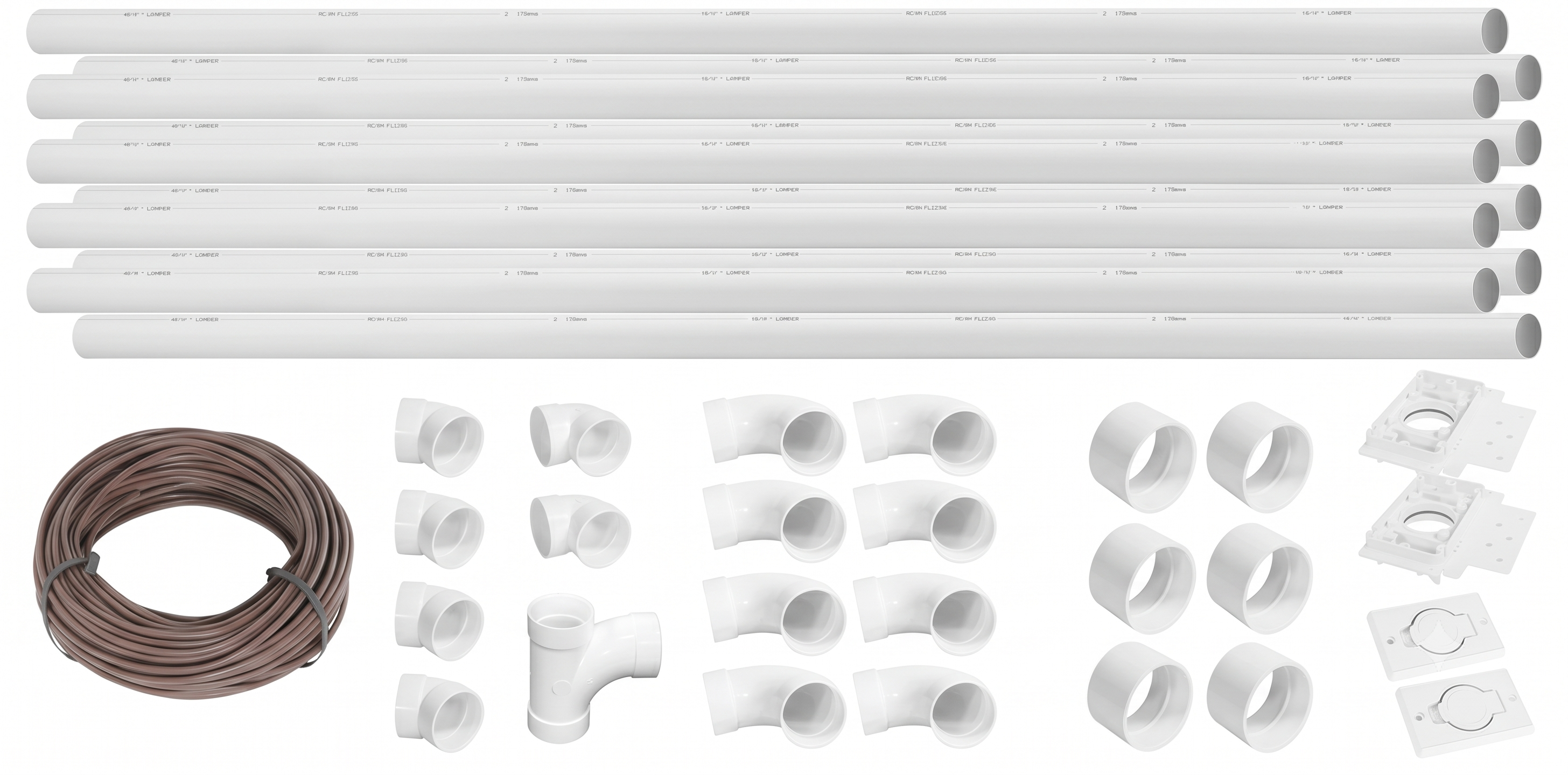
Are industrial central vacuum systems difficult to install in an existing facility? A central vacuum installation requires running PVC or steel pipe throughout the facility to connect inlet valves to the main power unit. In existing buildings, this is typically managed during a scheduled maintenance shutdown. Vacuum Parts Canada carries all necessary installation supplies, and most licensed plumbing or HVAC contractors in Canada are familiar with central vacuum piping work.
How often should I replace the motor in an industrial vacuum? With proper maintenance, industrial vacuum motors can last 7–15 years or more. Signs it is time for a replacement include noticeably reduced suction, unusual noise or vibration, overheating, or a burning smell during operation.
Can DrainVac industrial systems handle both wet and dry applications? Yes. DrainVac's Automatik series is specifically designed for wet/dry use. The self-flushing separator system automatically clears liquid waste from the collection chamber, making these units well-suited to food processing, automotive, and other mixed-waste environments.
Does Vacuum Parts Canada ship industrial vacuum systems across Canada? Yes. Vacuum Parts Canada ships industrial vacuum systems, parts, and accessories to customers nationwide — from British Columbia to the Atlantic provinces.
Vacuum Parts Canada — Your #1 Source For All Your Vacuum Needs. Shop industrial vacuum systems, central vacuum packages, replacement motors, HEPA filters, and more at vacuumpartscanada.ca

Leave a comment
This site is protected by hCaptcha and the hCaptcha Privacy Policy and Terms of Service apply.